


- Afhalen na 1 uur in een winkel met voorraad
- Gratis thuislevering in België vanaf € 30
- Ruim aanbod met 7 miljoen producten
- Afhalen na 1 uur in een winkel met voorraad
- Gratis thuislevering in België vanaf € 30
- Ruim aanbod met 7 miljoen producten





€ 37,45
+ 74 punten
Omschrijving
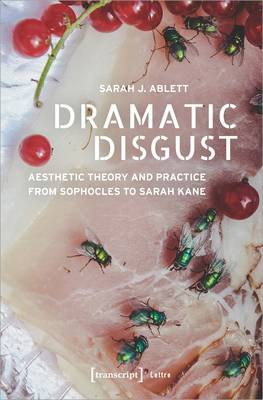
Aesthetic disgust is a key component of most classic works of drama because it has much more potential than to simply shock the audience. This first extensive study on dramatic disgust places this sensation among pity and fear as one of the core emotions that can achieve katharsis in drama. The book sets out in antiquity and traces the history of dramatic disgust through Kant, Freud, and Kristeva to Sarah Kane's in-yer-face theatre. It establishes a framework to analyze forms and functions of disgust in drama by investigating its different cognates (miasma, abjection, etc.). Providing a concise argument against critics who have discredited aesthetic disgust as juvenile attention-grabbing, Sarah Ablett explains how this repulsive emotion allows theatre to dig deeper into what it means to be human.
Specificaties
Betrokkenen
- Auteur(s):
- Uitgeverij:
Inhoud
- Aantal bladzijden:
- 254
- Taal:
- Engels
- Reeks:
Eigenschappen
- Productcode (EAN):
- 9783837652109
- Verschijningsdatum:
- 15/09/2020
- Uitvoering:
- Paperback
- Formaat:
- Trade paperback (VS)
- Afmetingen:
- 152 mm x 229 mm
- Gewicht:
- 281 g


Alleen bij Standaard Boekhandel
+ 74 punten op je klantenkaart van Standaard Boekhandel
Cadeau

AANGERADEN


Beoordelingen
We publiceren alleen reviews die voldoen aan de voorwaarden voor reviews. Bekijk onze voorwaarden voor reviews.