


- Afhalen na 1 uur in een winkel met voorraad
- Gratis thuislevering in België vanaf € 30
- Ruim aanbod met 7 miljoen producten
- Afhalen na 1 uur in een winkel met voorraad
- Gratis thuislevering in België vanaf € 30
- Ruim aanbod met 7 miljoen producten





Omschrijving
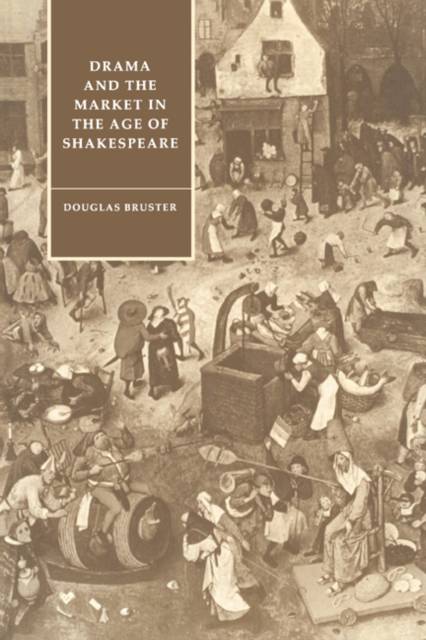
Douglas Bruster's provocative study of English Renaissance drama explores its links with Elizabethan and Jacobean economy and society, looking at the status of playwrights such as Shakespeare and the establishment of commercial theatres. He identifies in the drama a materialist vision which has its origins in the climate of uncertainty engendered by the rapidly expanding economy of London. His examples range from the economic importance of cuckoldry to the role of stage props as commodities, and the commercial significance of the Troy story in Shakespeare's Troilus and Cressida, and he offers new ways of reading English Renaissance drama, by returning the theatre and the plays performed there, to its basis in the material world.
Specificaties
Betrokkenen
- Auteur(s):
- Uitgeverij:
Inhoud
- Aantal bladzijden:
- 184
- Taal:
- Engels
- Reeks:
- Reeksnummer:
- nr. 1
Eigenschappen
- Productcode (EAN):
- 9780521607063
- Verschijningsdatum:
- 27/01/2005
- Uitvoering:
- Paperback
- Formaat:
- Trade paperback (VS)
- Afmetingen:
- 152 mm x 229 mm
- Gewicht:
- 276 g


Alleen bij Standaard Boekhandel
+ 181 punten op je klantenkaart van Standaard Boekhandel
Cadeau

AANGERADEN


Beoordelingen
We publiceren alleen reviews die voldoen aan de voorwaarden voor reviews. Bekijk onze voorwaarden voor reviews.