


- Afhalen na 1 uur in een winkel met voorraad
- Gratis thuislevering in België vanaf € 30
- Ruim aanbod met 7 miljoen producten
- Afhalen na 1 uur in een winkel met voorraad
- Gratis thuislevering in België vanaf € 30
- Ruim aanbod met 7 miljoen producten





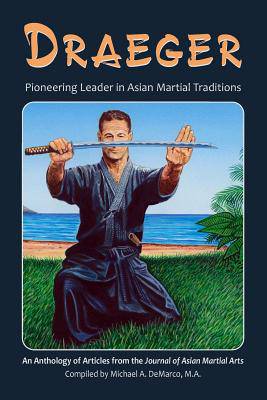
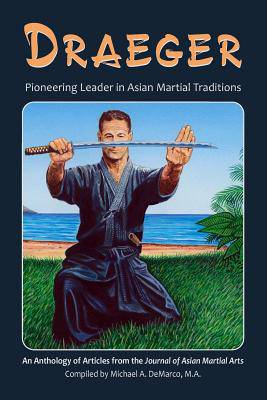
Draeger
Pioneering Leader in Asian Martial Traditions
Donn F Draeger, Hugh E Davey, H Richard Friman
Paperback | Engels
€ 13,95
+ 27 punten
Omschrijving
Donn Draeger was the most influential martial artist/scholar of the 20th century. His more than twenty books and long list of accomplishments support this argument. For this reason, we are publishing this anthology of articles that focus on this outstanding person. Although short in length, this book is rich in content covering the inspiring life and contributions of a leading pioneer in the Asian martial traditions. The author of the first chapter, Robert W. Smith, was a close confidant of Draeger during his career. With Draeger, Smith co-authored the classic Asian Fighting Arts (later renamed as Comprehensive Asian Fighting Arts). Smith was in a unique position to provide details about Draeger's character, academic and martial skills.Donn Draeger wrote two letters to Smith (dated September 2, 1969 and June 29, 1981) that gave insight into Miyamoto Musashi. Smith was writing a book review and asked Draeger for his opinion on the historical swordsman. With the help of Joseph Svinth, Smith merged and edited these letters. This contains Draeger's response in his typically ebullient tone of correspondence with Smith. Donn Draeger can easily be considered as the "father of Asian martial arts research" in the West since he conducted pioneering research in the field and was one of the highest ranking black belts in a number of Japanese combative arts. As a scholar, he became involved in a Japanese research society for martial arts, and built upon it. Author Hugh Davey writes on the founding and influence of the International Hoplology Society Draeger founded. Draeger shaped the lives of several generations of martial artists. It was unknown to most that he had died in a Wisconsin hospital following medical treatments for natural sicknesses and perhaps for poisoning. In the last chapter, Dr. Friman tells of his discovery of Donn Draeger's gravesite. Finding his grave in 1998 brought proper respects from friends, including Kaminoda Tsunemori, master of jo and sword. Scholars of combative traditions and martial arts practioners-especially those participating in the Japanese arts-will benefit greatly by reading this short anthology. Draeger's life is inspiring to both the scholar and practitioner.
Specificaties
Betrokkenen
- Auteur(s):
- Uitgeverij:
Inhoud
- Aantal bladzijden:
- 44
- Taal:
- Engels
Eigenschappen
- Productcode (EAN):
- 9781893765313
- Verschijningsdatum:
- 24/07/2016
- Uitvoering:
- Paperback
- Formaat:
- Trade paperback (VS)
- Afmetingen:
- 152 mm x 229 mm
- Gewicht:
- 72 g


Alleen bij Standaard Boekhandel
+ 27 punten op je klantenkaart van Standaard Boekhandel
Cadeau

AANGERADEN


Beoordelingen
We publiceren alleen reviews die voldoen aan de voorwaarden voor reviews. Bekijk onze voorwaarden voor reviews.