


- Afhalen na 1 uur in een winkel met voorraad
- Gratis thuislevering in België vanaf € 30
- Ruim aanbod met 7 miljoen producten
- Afhalen na 1 uur in een winkel met voorraad
- Gratis thuislevering in België vanaf € 30
- Ruim aanbod met 7 miljoen producten





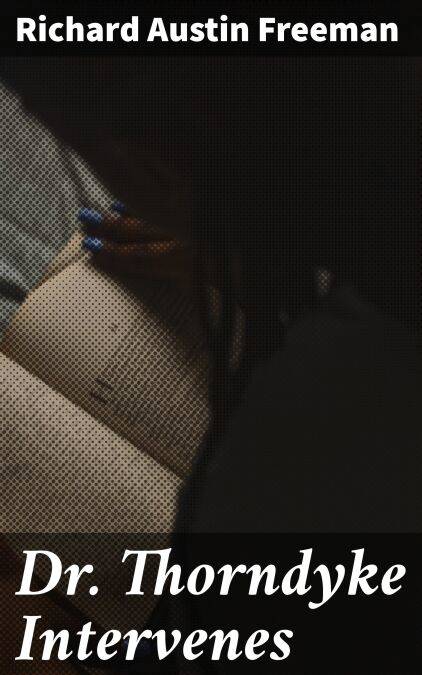
Dr. Thorndyke Intervenes E-BOOK
A Tale of Forensic Science and Intriguing Mysteries in Early 20th Century England
Richard Austin Freeman
E-book | Engels
€ 0,99
€ 1,99
Eenvoudig bestellen
Veilig betalen


Onmiddellijk geleverd via e-mail
Omschrijving
In "Dr. Thorndyke Intervenes," Richard Austin Freeman masterfully continues the adventures of his iconic forensic doctor, Dr. Thorndyke, blending medical science with criminal investigation in a narrative that showcases the early 20th-century fascination with detective fiction. Freeman'Äôs prose is characterized by its meticulous attention to detail and a logical progression that reflects the scientific principles underlying the story. Set against the backdrop of an evolving society where scientific rationalism is increasingly valued, the novel delves into the intersection of law and medicine, and the ethical dilemmas faced by those in the pursuit of justice. Richard Austin Freeman, a pioneering figure in the detective genre, was deeply influenced by his background in medicine and his keen interest in forensic science. His experiences as a medical practitioner are evident in the precise scientific reasoning that informs Dr. Thorndyke's investigative methods. Freeman'Äôs innovative approach not only laid the groundwork for the subgenre of forensic detective fiction but also contributed to the broader literary landscape of his time, enriching a genre still grappling with the balance between art and science. This novel is a must-read for enthusiasts of classic detective fiction and anyone interested in the evolution of forensic science within literature. Freeman'Äôs intriguing characters and intricate plotting invite readers to engage in a mental duel, stimulating thought and outrage as they navigate the psychological and moral complexities of the narrative. Immerse yourself in this gripping tale that epitomizes the genre'Äôs golden age.
Specificaties
Betrokkenen
- Auteur(s):
- Uitgeverij:
Inhoud
- Aantal bladzijden:
- 234
- Taal:
- Engels
Eigenschappen
- Productcode (EAN):
- 4064066365523
- Verschijningsdatum:
- 30/08/2021
- Uitvoering:
- E-book
- Beveiligd met:
- Digital watermarking
- Formaat:
- ePub


Alleen bij Standaard Boekhandel
CADEAU

AANGERADEN


Beoordelingen
We publiceren alleen reviews die voldoen aan de voorwaarden voor reviews. Bekijk onze voorwaarden voor reviews.