


- Afhalen na 1 uur in een winkel met voorraad
- Gratis thuislevering in België vanaf € 30
- Ruim aanbod met 7 miljoen producten
- Afhalen na 1 uur in een winkel met voorraad
- Gratis thuislevering in België vanaf € 30
- Ruim aanbod met 7 miljoen producten





Omschrijving
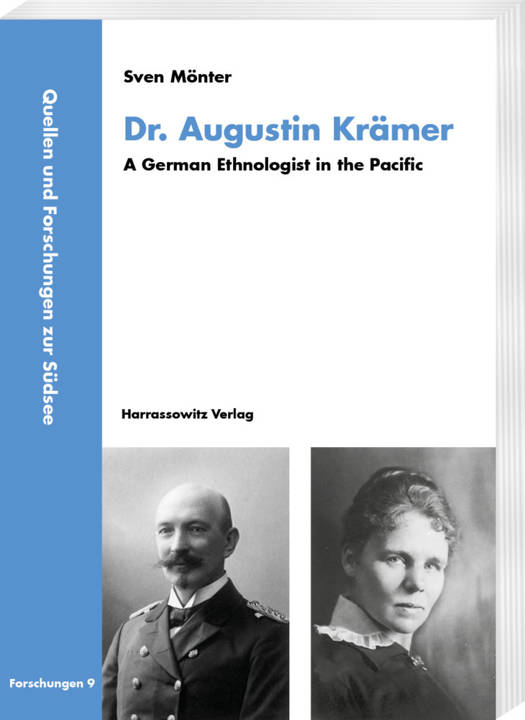
This book focuses on the life of Dr. Augustin Friedrich Kramer (1865-1941), a key figure among early ethnologists of the Pacific. As a naval physician and naturalist, and later as an ethnologist, Kramer visited the region several times. Between 1893 and 1911, he participated in and became involved in five different and far-ranging expeditions to the Pacific. In the course of these expeditions, Kramer developed a keen interest in the peoples and cultures of Oceania. This interest was reflected not only in numerous publications and artifact collections on this region, but also in a lifelong preoccupation with ethnology in general. The latter led to his becoming scientific director of the Linden Museum in Stuttgart in 1911 and later lecturer in ethnology and founder of the Ethnological Institute at the University of Tubingen in 1931. As such, Kramer can be considered a pioneer of ethnology. However, while Kramer's work is still held in high regard by Pacific Islanders and scholars interested in Oceania, his life and work in the Pacific has escaped wider attention. This fate also applies to Kramer's contribution to the development of ethnology as a scientific discipline in Germany. By focusing on Kramer's travels and research in the Pacific, this book aims to offer a deeper understanding of the genesis and value of what he left behind. In doing so, it will also reassess the German contribution to ethnological knowledge of Oceania. It is thus a case study of the contribution of a German ethnologist to the broader history of the discipline and explores the intersection of scholarly endeavor and colonial reality.
Specificaties
Betrokkenen
- Auteur(s):
- Uitgeverij:
Inhoud
- Aantal bladzijden:
- 260
- Taal:
- Engels
- Reeks:
- Reeksnummer:
- nr. 9
Eigenschappen
- Productcode (EAN):
- 9783447116701
- Verschijningsdatum:
- 23/09/2021
- Uitvoering:
- Paperback
- Formaat:
- Trade paperback (VS)
- Afmetingen:
- 171 mm x 14 mm
- Gewicht:
- 12328 g


Alleen bij Standaard Boekhandel
+ 322 punten op je klantenkaart van Standaard Boekhandel
AANGERADEN


Beoordelingen
We publiceren alleen reviews die voldoen aan de voorwaarden voor reviews. Bekijk onze voorwaarden voor reviews.