


- Afhalen na 1 uur in een winkel met voorraad
- Gratis thuislevering in België vanaf € 30
- Ruim aanbod met 7 miljoen producten
- Afhalen na 1 uur in een winkel met voorraad
- Gratis thuislevering in België vanaf € 30
- Ruim aanbod met 7 miljoen producten





€ 36,45
+ 72 punten
Uitvoering
Omschrijving
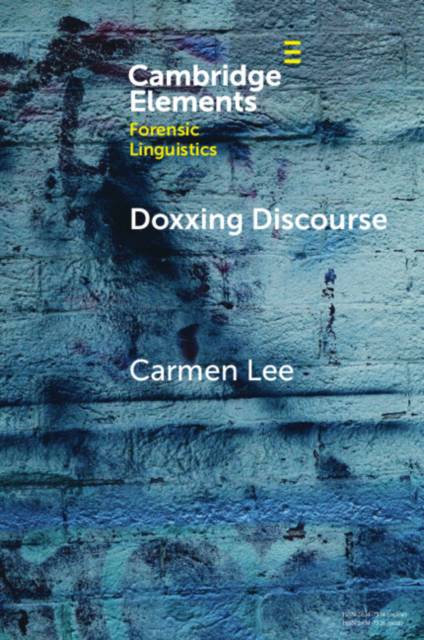
Doxxing is the deliberate, unauthorized disclosure of personal information, often with malicious intent. Notably, it became a key method of public shaming and vigilantism during the 2019-2020 Hong Kong protests. This Element understands and examines doxxing as a discursive practice. Using critical discourse analysis (CDA), it analyzes online forum discussions, survey and interview data from Hong Kong university students. Findings are examined alongside institutional legal texts to show how doxxing is discursively constructed, legitimized, and contested by different social actors. The case study identifies linguistic strategies such as metaphor, euphemism, and irony, along with legitimation discourses framing doxxing as social justice, deterrence, or moral self-defense. The Element also problematizes legal ambiguities and ethical tensions surrounding doxxing practices. By foregrounding the interplay between grassroots and legal discourses, it contributes to forensic linguistics scholarship on digital harm, power, and morality in contemporary mediated environments.
Specificaties
Betrokkenen
- Auteur(s):
- Uitgeverij:
Inhoud
- Aantal bladzijden:
- 88
- Taal:
- Engels
- Reeks:
Eigenschappen
- Productcode (EAN):
- 9781009518765
- Verschijningsdatum:
- 26/02/2026
- Uitvoering:
- Paperback
- Formaat:
- Trade paperback (VS)
- Afmetingen:
- 152 mm x 229 mm
- Gewicht:
- 127 g


Alleen bij Standaard Boekhandel
+ 72 punten op je klantenkaart van Standaard Boekhandel
Cadeau

AANGERADEN


Beoordelingen
We publiceren alleen reviews die voldoen aan de voorwaarden voor reviews. Bekijk onze voorwaarden voor reviews.