


- Afhalen na 1 uur in een winkel met voorraad
- Gratis thuislevering in België vanaf € 30
- Ruim aanbod met 7 miljoen producten
- Afhalen na 1 uur in een winkel met voorraad
- Gratis thuislevering in België vanaf € 30
- Ruim aanbod met 7 miljoen producten





Omschrijving
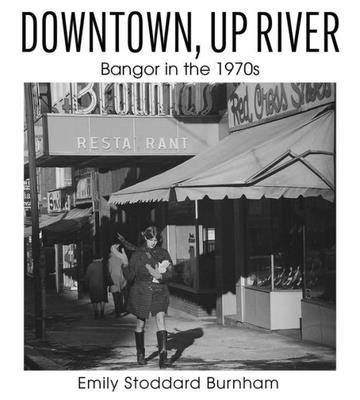
Caught at a tipping point between the city it was and the city it could be, in the 1970s Bangor, Maine was undergoing rapid change, both physical and social. As the urban renewal program and the opening of the Bangor Mall began to decimate the city's downtown, Bangor's people-- hard-working, plainspoken and good-humored--tried to bridge that gap between progressive and traditional, modern and historic, urban and rural. Through more than 140 images captured by photographers from the Bangor Daily News and elsewhere in the community, Downtown, Up River: Bangor in the 1970s paints a picture of a city caught in the middle. In photos of people, places and notable events, these images capture life in the tumultuous '70s in Bangor, as post-WWII sensibilities coexisted alongside a nascent counterculture, and the memories of Bangor's days as the lumber capital of the world tried to hang on amid controversial attempts to modernize the city.
Specificaties
Betrokkenen
- Auteur(s):
- Uitgeverij:
Inhoud
- Aantal bladzijden:
- 168
- Taal:
- Engels
Eigenschappen
- Productcode (EAN):
- 9781952143670
- Verschijningsdatum:
- 19/12/2023
- Uitvoering:
- Paperback
- Formaat:
- Trade paperback (VS)
- Afmetingen:
- 231 mm x 246 mm
- Gewicht:
- 589 g


Alleen bij Standaard Boekhandel
Cadeau

AANGERADEN


Beoordelingen
We publiceren alleen reviews die voldoen aan de voorwaarden voor reviews. Bekijk onze voorwaarden voor reviews.