


- Afhalen na 1 uur in een winkel met voorraad
- Gratis thuislevering in België vanaf € 30
- Ruim aanbod met 7 miljoen producten
- Afhalen na 1 uur in een winkel met voorraad
- Gratis thuislevering in België vanaf € 30
- Ruim aanbod met 7 miljoen producten





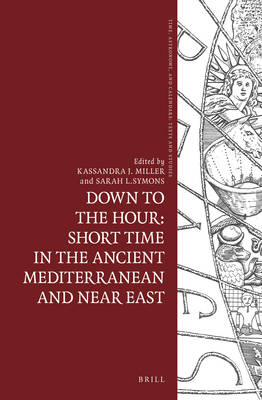
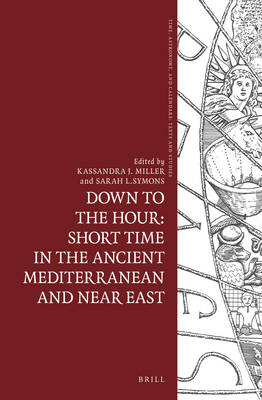
Down to the Hour: Short Time in the Ancient Mediterranean and Near East
€ 255,45
+ 510 punten
Omschrijving
"Clock time", with all its benefits and anxieties, is often viewed as a "modern" phenomenon, but ancient Mediterranean and Near Eastern cultures also had tools for marking and measuring time within the day and wrestled with challenges of daily time management. This book brings together for the first time perspectives on the interplay between short-term timekeeping technologies and their social contexts in ancient Egypt, Babylon, Greece, and Rome. Its contributions denaturalize modern-day concepts of clocks, hours, and temporal frameworks; describe some of the timekeeping solutions used in antiquity; and illuminate the diverse factors that affected how individuals and communities structured their time.
Specificaties
Betrokkenen
- Uitgeverij:
Inhoud
- Aantal bladzijden:
- 312
- Taal:
- Engels
- Reeks:
- Reeksnummer:
- nr. 8
Eigenschappen
- Productcode (EAN):
- 9789004373471
- Verschijningsdatum:
- 12/12/2019
- Uitvoering:
- Hardcover
- Formaat:
- Genaaid
- Afmetingen:
- 155 mm x 236 mm
- Gewicht:
- 539 g

Alleen bij Standaard Boekhandel
+ 510 punten op je klantenkaart van Standaard Boekhandel
CADEAU


Beoordelingen
We publiceren alleen reviews die voldoen aan de voorwaarden voor reviews. Bekijk onze voorwaarden voor reviews.