



Je cadeautjes zeker op tijd in huis hebben voor de feestdagen? Kom langs in onze winkels en vind het perfecte geschenk!
- Afhalen na 1 uur in een winkel met voorraad
- Gratis thuislevering in België vanaf € 30
- Ruim aanbod met 7 miljoen producten
Je cadeautjes zeker op tijd in huis hebben voor de feestdagen? Kom langs in onze winkels en vind het perfecte geschenk!
- Afhalen na 1 uur in een winkel met voorraad
- Gratis thuislevering in België vanaf € 30
- Ruim aanbod met 7 miljoen producten





Omschrijving
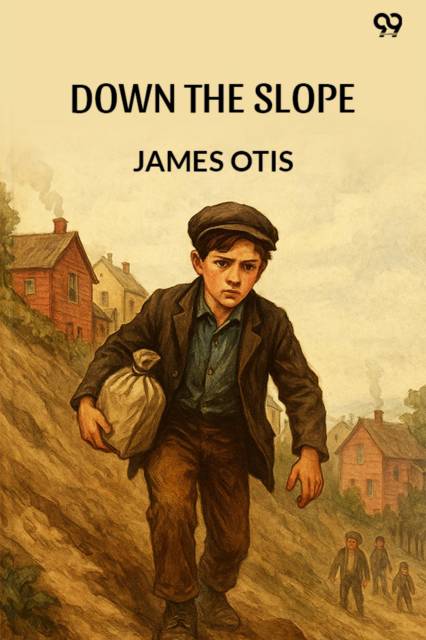
Down the slope confronts the brutal intersection of youth, labor, and survival within an oppressive environment. It presents the dehumanizing effects of economic exploitation on children forced into adult roles in hazardous settings. The story emphasizes how institutional neglect fosters cruelty among the workers themselves, where informal hierarchies are enforced through fear and violence. At its core is the battle to retain dignity while resisting coercion, as the protagonist refuses to submit to rituals of dominance meant to perpetuate control. It examines how systems of oppression replicate themselves among the oppressed, turning potential allies into enforcers. The mine serves as a physical and symbolic space of entrapment, where descent represents not just geography but the stripping away of innocence and autonomy. The narrative delves into the psychological toll of isolation and fear, but also the transformative power of defiance. The act of refusing to pay for protection becomes an assertion of self-worth in a place that denies it. The journey unfolds as an assertion of will over intimidation, capturing how courage can surface amid despair and how endurance becomes an act of rebellion.
Specificaties
Betrokkenen
- Auteur(s):
- Uitgeverij:
Inhoud
- Aantal bladzijden:
- 210
- Taal:
- Engels
Eigenschappen
- Productcode (EAN):
- 9789371132640
- Verschijningsdatum:
- 1/05/2025
- Uitvoering:
- Paperback
- Formaat:
- Trade paperback (VS)
- Afmetingen:
- 140 mm x 216 mm
- Gewicht:
- 249 g



Alleen bij Standaard Boekhandel
+ 52 punten op je klantenkaart van Standaard Boekhandel
CADEAU


Beoordelingen
We publiceren alleen reviews die voldoen aan de voorwaarden voor reviews. Bekijk onze voorwaarden voor reviews.