


- Afhalen na 1 uur in een winkel met voorraad
- Gratis thuislevering in België vanaf € 30
- Ruim aanbod met 7 miljoen producten
- Afhalen na 1 uur in een winkel met voorraad
- Gratis thuislevering in België vanaf € 30
- Ruim aanbod met 7 miljoen producten





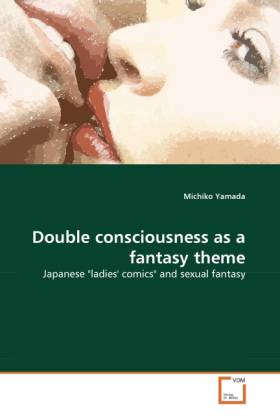
Double consciousness as a fantasy theme
Japanese "ladies' comics" and sexual fantasy
Michiko Yamada
Paperback | Engels
€ 48,45
+ 96 punten
Omschrijving
"Ladies' comics," a genre of sexually explicit Japanese manga magazines produced for women and by women, were thought to revolutionary because they portray women having free sexuality outside of marriage. Other types of sexual expression outside marriage have traditionally been seen as socially unacceptable. However, semiotic analyses of this genre of manga demonstrates that what they depict is women's double consciousness; believing something against their own interests. In these popular manga women characters are typically portrayed as enjoying being raped, adultery, and even being the targets of incest. Ladies' comics also show women's cognitive dissonance, by which they have a contradictory idea of wanting to be and at the same time not wanting to be involved in these sexual activities. Thus, ladies' comics stories actually send messages that reinforce a conservative male-base set of fantasy themes where the women involved do not initiate or control sexual interaction but instead are passive targets of sexual advances.
Specificaties
Betrokkenen
- Auteur(s):
- Uitgeverij:
Inhoud
- Aantal bladzijden:
- 68
- Taal:
- Engels
Eigenschappen
- Productcode (EAN):
- 9783639322323
- Verschijningsdatum:
- 4/01/2011
- Uitvoering:
- Paperback
- Afmetingen:
- 152 mm x 229 mm
- Gewicht:
- 113 g


Alleen bij Standaard Boekhandel
+ 96 punten op je klantenkaart van Standaard Boekhandel
CADEAU

AANGERADEN


Beoordelingen
We publiceren alleen reviews die voldoen aan de voorwaarden voor reviews. Bekijk onze voorwaarden voor reviews.