


- Afhalen na 1 uur in een winkel met voorraad
- Gratis thuislevering in België vanaf € 30
- Ruim aanbod met 7 miljoen producten
- Afhalen na 1 uur in een winkel met voorraad
- Gratis thuislevering in België vanaf € 30
- Ruim aanbod met 7 miljoen producten





€ 34,95
+ 69 punten
Omschrijving
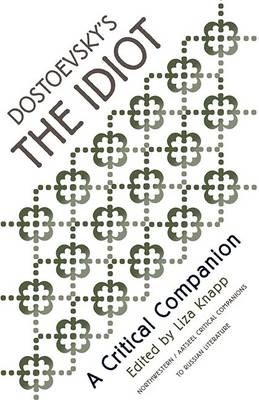
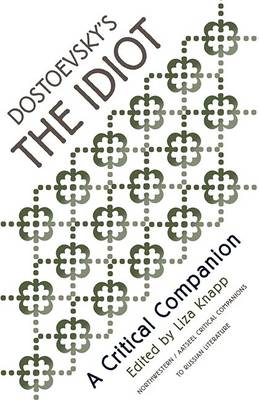
This book, part of the acclaimed AATSEEL Critical Companions series, is designed to guide readers through Dostoevsky's most mysterious and confusing work. It begins with introductory essays looking at where, when, and how The Idiot was written and at the novel's major characters. Other essays guide the reader through the author's plans and notebooks; use contemporary feminist criticism to shed light on how this novel explores alternatives to traditional roles; examine the ways in which the novel reflects Dostoevsky's concern with apocalypse, modernity, and time; and address the ways the novel's hero, Prince Myshkin, can be compared to Christ. A final section offers a rich collection of primary sources, including Dostoevsky's letters concerning The Idiot, and an annotated bibliography.
Specificaties
Betrokkenen
- Auteur(s):
- Uitgeverij:
Inhoud
- Aantal bladzijden:
- 275
- Taal:
- Engels
- Reeks:
Eigenschappen
- Productcode (EAN):
- 9780810115330
- Verschijningsdatum:
- 16/09/1998
- Uitvoering:
- Paperback
- Formaat:
- Trade paperback (VS)
- Afmetingen:
- 134 mm x 216 mm
- Gewicht:
- 367 g


Alleen bij Standaard Boekhandel
+ 69 punten op je klantenkaart van Standaard Boekhandel
Cadeau

AANGERADEN


Beoordelingen
We publiceren alleen reviews die voldoen aan de voorwaarden voor reviews. Bekijk onze voorwaarden voor reviews.