


- Afhalen na 1 uur in een winkel met voorraad
- Gratis thuislevering in België vanaf € 30
- Ruim aanbod met 7 miljoen producten
- Afhalen na 1 uur in een winkel met voorraad
- Gratis thuislevering in België vanaf € 30
- Ruim aanbod met 7 miljoen producten




€ 228,95
+ 457 punten
Omschrijving
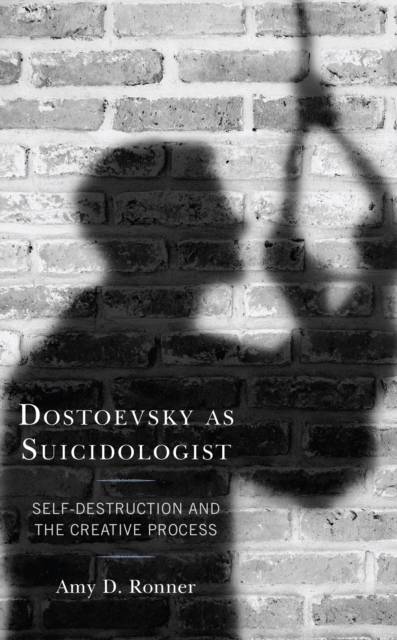
In Dostoevsky as Suicidologist, Amy D. Ronner illustrates how self-homicide in Fyodor Dostoevsky's fiction prefigures Emile Durkheim's etiology in Suicide as well as theories of other prominent suicidologists. This book not only fills a lacuna in Dostoevsky scholarship, but provides fresh readings of Dostoevsky's major works, including Notes from The House of the Dead, Crime and Punishment, The Idiot, Demons, and The Brothers Karamazov. Ronner provides an exegesis of how Dostoevsky's implicit awareness of fatalistic, altruistic, egoistic, and anomic modes of self-destruction helped shape not only his philosophy, but also his craft as a writer. In this study, Ronner contributes to the field of suicidology by anatomizing both self-destructive behavior and suicidal ideation while offering ways to think about prevention. But most expansively, Ronner tackles the formidable task of forging a ligature between artistic creation and the pluripresent social fact of self-annihilation.
Specificaties
Betrokkenen
- Auteur(s):
- Uitgeverij:
Inhoud
- Aantal bladzijden:
- 356
- Taal:
- Engels
- Reeks:
Eigenschappen
- Productcode (EAN):
- 9781793607812
- Verschijningsdatum:
- 12/01/2021
- Uitvoering:
- Hardcover
- Formaat:
- Genaaid
- Afmetingen:
- 152 mm x 229 mm
- Gewicht:
- 689 g


Alleen bij Standaard Boekhandel
+ 457 punten op je klantenkaart van Standaard Boekhandel
Cadeau

AANGERADEN


Beoordelingen
We publiceren alleen reviews die voldoen aan de voorwaarden voor reviews. Bekijk onze voorwaarden voor reviews.