


- Afhalen na 1 uur in een winkel met voorraad
- Gratis thuislevering in België vanaf € 30
- Ruim aanbod met 7 miljoen producten
- Afhalen na 1 uur in een winkel met voorraad
- Gratis thuislevering in België vanaf € 30
- Ruim aanbod met 7 miljoen producten





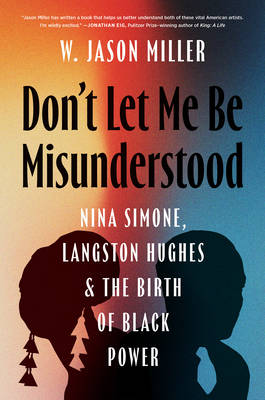
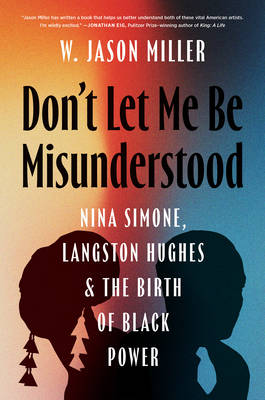
Don't Let Me Be Misunderstood
Nina Simone, Langston Hughes, and the Birth of Black Power
W Jason Miller
€ 41,95
+ 83 punten
Omschrijving
On March 24, 1965, Nina Simone performed at a rally for twenty-five thousand people on the last night of the Selma to Montgomery civil rights march. Though luminaries like Martin Luther King Jr., Mahalia Jackson, and Dick Gregory were in attendance, it was Langston Hughes, celebrated poet and leader of the Harlem Renaissance, who was the singer's closest confidant and supporter. They had one of the most important--yet unheralded--friendships of the Black Power era.
Simone's performance on that Montgomery night catapulted her into a lead role in the civil rights movement, with Hughes as her guide. In Don't Let Me Be Misunderstood, W. Jason Miller offers a riveting history of how their relationship helped spark the birth of Black Power--indeed, the phrase itself, made famous by Stokely Carmichael, was a quote from collaborative lyrics by the two. Hughes gave Simone the fuel to be one of the most politically charged artists of the era, while Simone offered Hughes a way to carry his influence into pop music and shape a national movement. Drawing on new firsthand accounts, Miller takes readers inside one of the most powerful friendships in music and civil rights history.
Simone's performance on that Montgomery night catapulted her into a lead role in the civil rights movement, with Hughes as her guide. In Don't Let Me Be Misunderstood, W. Jason Miller offers a riveting history of how their relationship helped spark the birth of Black Power--indeed, the phrase itself, made famous by Stokely Carmichael, was a quote from collaborative lyrics by the two. Hughes gave Simone the fuel to be one of the most politically charged artists of the era, while Simone offered Hughes a way to carry his influence into pop music and shape a national movement. Drawing on new firsthand accounts, Miller takes readers inside one of the most powerful friendships in music and civil rights history.
Specificaties
Betrokkenen
- Auteur(s):
- Uitgeverij:
Inhoud
- Aantal bladzijden:
- 256
- Taal:
- Engels
- Reeks:
Eigenschappen
- Productcode (EAN):
- 9781469698212
- Verschijningsdatum:
- 29/09/2026
- Uitvoering:
- Hardcover
- Formaat:
- Genaaid
- Afmetingen:
- 155 mm x 235 mm


Alleen bij Standaard Boekhandel
+ 83 punten op je klantenkaart van Standaard Boekhandel
Cadeau

AANGERADEN


Beoordelingen
We publiceren alleen reviews die voldoen aan de voorwaarden voor reviews. Bekijk onze voorwaarden voor reviews.