


- Afhalen na 1 uur in een winkel met voorraad
- Gratis thuislevering in België vanaf € 30
- Ruim aanbod met 7 miljoen producten
- Afhalen na 1 uur in een winkel met voorraad
- Gratis thuislevering in België vanaf € 30
- Ruim aanbod met 7 miljoen producten





€ 85,45
+ 170 punten
Uitvoering
Omschrijving
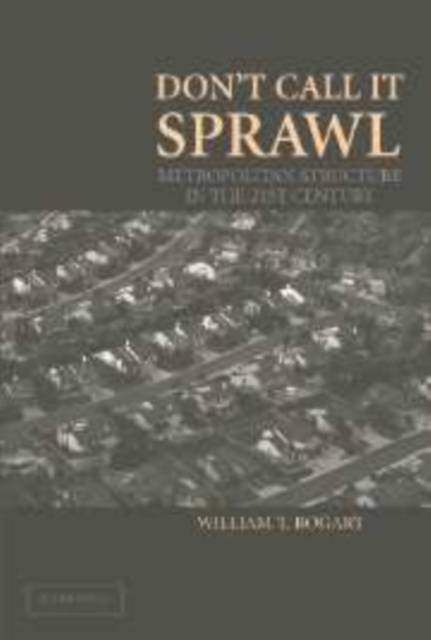
In Don't Call It Sprawl, the current policy debate over urban sprawl is put into a broader analytical and historical context. The book informs people about the causes and implications of the changing metropolitan structure rather than trying to persuade them to adopt a panacea to all perceived problems. Bogart explains modern economic ideas about the structure of metropolitan areas to people interested in understanding and influencing the pattern of growth in their city. Much of the debate about sprawl has been driven by a fundamental lack of understanding of the structure, functioning, and evolution of modern metropolitan areas. The book analyzes ways in which suburbs and cities (trading places) trade goods and services with each other. This approach helps us better understand commuting decisions, housing location, business location, and the impact of public policy in such areas as downtown redevelopment and public school reform.
Specificaties
Betrokkenen
- Auteur(s):
- Uitgeverij:
Inhoud
- Aantal bladzijden:
- 230
- Taal:
- Engels
Eigenschappen
- Productcode (EAN):
- 9780521860918
- Verschijningsdatum:
- 25/09/2006
- Uitvoering:
- Hardcover
- Formaat:
- Genaaid
- Afmetingen:
- 155 mm x 229 mm
- Gewicht:
- 417 g



Alleen bij Standaard Boekhandel
+ 170 punten op je klantenkaart van Standaard Boekhandel
Cadeau

AANGERADEN


Beoordelingen
We publiceren alleen reviews die voldoen aan de voorwaarden voor reviews. Bekijk onze voorwaarden voor reviews.