


- Afhalen na 1 uur in een winkel met voorraad
- Gratis thuislevering in België vanaf € 30
- Ruim aanbod met 7 miljoen producten
- Afhalen na 1 uur in een winkel met voorraad
- Gratis thuislevering in België vanaf € 30
- Ruim aanbod met 7 miljoen producten





€ 6,99
+ 6 punten
Uitvoering
Omschrijving
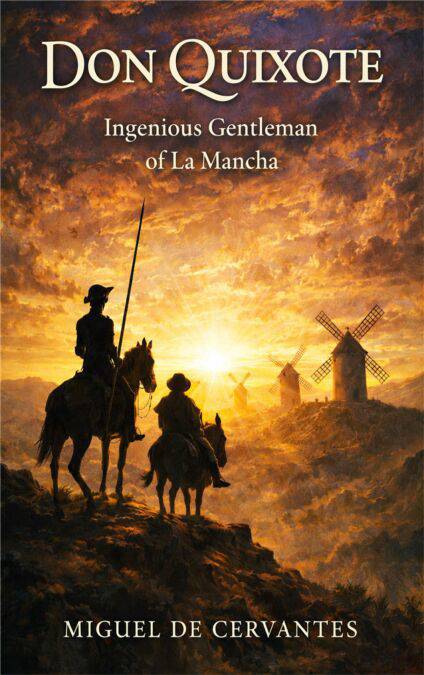
To speak of "Don Quixote" as if it were merely a humorous book would be a manifest misdescription. Cervantes at times makes it a kind of commonplace book for occasional essays and criticisms, or for the observations and reflections and gathered wisdom of a long and stirring life. It is a mine of shrewd observation on mankind and human nature.
Among modern novels there may be, here and there, more elaborate studies of character, but there is no book richer in individualised character. What Coleridge said of Shakespeare in minimis is true of Cervantes; he never, even for the most temporary purpose, puts forward a lay figure.
There is life and individuality in all his characters, however little they may have to do, or however short a time they may be before the reader. Samson Carrasco, the curate, Teresa Panza, Altisidora, even the two students met on the road to the cave of Montesinos, all live and move and have their being; and it is characteristic of the broad humanity of Cervantes that there is not a hateful one among them all. Even poor Maritornes, with her deplorable morals, has a kind heart of her own and "some faint and distant resemblance to a Christian about her;"
Among modern novels there may be, here and there, more elaborate studies of character, but there is no book richer in individualised character. What Coleridge said of Shakespeare in minimis is true of Cervantes; he never, even for the most temporary purpose, puts forward a lay figure.
There is life and individuality in all his characters, however little they may have to do, or however short a time they may be before the reader. Samson Carrasco, the curate, Teresa Panza, Altisidora, even the two students met on the road to the cave of Montesinos, all live and move and have their being; and it is characteristic of the broad humanity of Cervantes that there is not a hateful one among them all. Even poor Maritornes, with her deplorable morals, has a kind heart of her own and "some faint and distant resemblance to a Christian about her;"
Specificaties
Betrokkenen
- Auteur(s):
- Uitgeverij:
Inhoud
- Aantal bladzijden:
- 1455
- Taal:
- Engels
Eigenschappen
- Productcode (EAN):
- 9786253874926
- Verschijningsdatum:
- 5/03/2026
- Uitvoering:
- E-book
- Beveiligd met:
- Digital watermarking
- Formaat:
- ePub


Alleen bij Standaard Boekhandel
+ 6 punten op je klantenkaart van Standaard Boekhandel
AANGERADEN


Beoordelingen
We publiceren alleen reviews die voldoen aan de voorwaarden voor reviews. Bekijk onze voorwaarden voor reviews.