


- Afhalen na 1 uur in een winkel met voorraad
- Gratis thuislevering in België vanaf € 30
- Ruim aanbod met 7 miljoen producten
- Afhalen na 1 uur in een winkel met voorraad
- Gratis thuislevering in België vanaf € 30
- Ruim aanbod met 7 miljoen producten





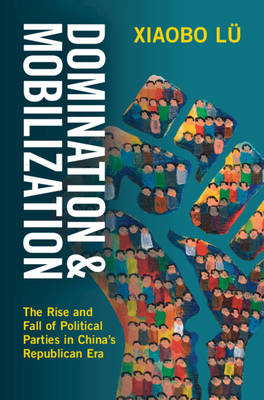
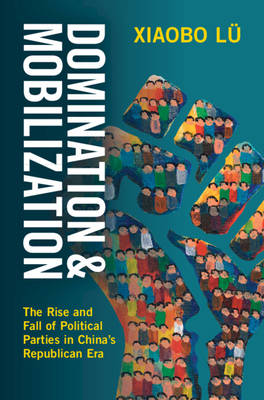
Domination and Mobilization
The Rise and Fall of Political Parties in China's Republican Era
Xiaobo Lü
Hardcover | Engels
€ 158,95
+ 317 punten
Uitvoering
Omschrijving
Examining the miraculous rise of the Chinese Communist Party (CCP) and the surprising downfall of the Kuomintang (KMT) in the early twentieth century, Xiaobo Lü reveals that domination and mobilization are key for authoritarian parties to seize state power, challenging the prevailing wisdom on power-sharing and emphasizing the importance of dominant party leaders for organizational strength and resource mobilization. Lü convincingly argues that the CCP's mass mobilization infrastructure, initially seen as a disadvantage before the Sino-Japanese War, became a powerful asset during the war and led to its victory. The KMT's elite mobilization infrastructure, conversely, was decimated by the war, and its lack of a strong leader prevented a successful shift in party-building strategy. Party building subsequently played a pivotal role in shaping the successes and failures of resource mobilization for both parties. The book sheds new light on the origins of the CCP and the inner workings of revolutionary parties, making in a landmark study in Chinese politics.
Specificaties
Betrokkenen
- Auteur(s):
- Uitgeverij:
Inhoud
- Aantal bladzijden:
- 280
- Taal:
- Engels
Eigenschappen
- Productcode (EAN):
- 9781009588874
- Verschijningsdatum:
- 14/08/2025
- Uitvoering:
- Hardcover
- Formaat:
- Genaaid
- Afmetingen:
- 152 mm x 229 mm
- Gewicht:
- 544 g


Alleen bij Standaard Boekhandel
+ 317 punten op je klantenkaart van Standaard Boekhandel
Cadeau

AANGERADEN


Beoordelingen
We publiceren alleen reviews die voldoen aan de voorwaarden voor reviews. Bekijk onze voorwaarden voor reviews.