


- Afhalen na 1 uur in een winkel met voorraad
- Gratis thuislevering in België vanaf € 30
- Ruim aanbod met 7 miljoen producten
- Afhalen na 1 uur in een winkel met voorraad
- Gratis thuislevering in België vanaf € 30
- Ruim aanbod met 7 miljoen producten





€ 92,45
+ 184 punten
Omschrijving
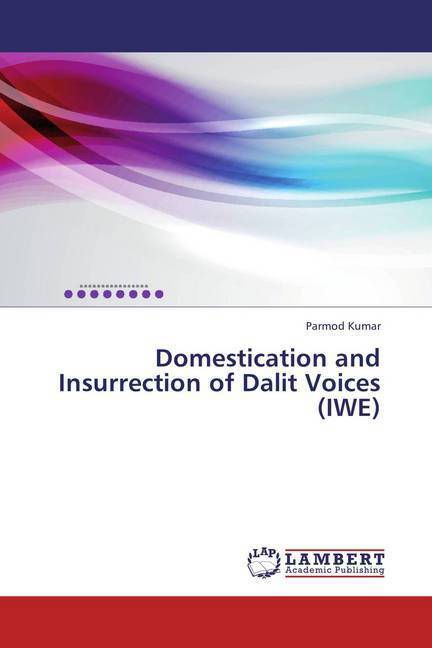
Chronologically, The history of Dalit literature can be traced back to centuries. However, Dalit literary and cultural expressions were hardly taken into consideration due to the hegemonic nature of the field of literary production. Dalit literature acquired a recognizable identity towards the middle of the twentieth century and this too has created such a major unrest among the mainstream circles. "Domestication and Insurrection of Dalit Voices in Indian writings in English examines the challenge thrown at fundamental pre-suppositions of the hegemonic framework of mainstream literature by the subaltern intellectual movements. Further, this book is centered on the representation of caste in select literary texts and the construction of such a dominant discourse. This books also seeks to undertake analysis of the layers and complexities that Dalit literature has encountered in the Post Independence phase. The author seeks to explore the literary encounters during the post-independent phase and make a case for the acceptance of the diversity of Indian Literature and a fresh and balanced approach to appreciate and understand avant-gardist and subaltern trends in it.
Specificaties
Betrokkenen
- Auteur(s):
- Uitgeverij:
Inhoud
- Aantal bladzijden:
- 220
- Taal:
- Engels
Eigenschappen
- Productcode (EAN):
- 9783659431265
- Verschijningsdatum:
- 12/08/2013
- Uitvoering:
- Paperback
- Afmetingen:
- 150 mm x 220 mm
- Gewicht:
- 327 g


Alleen bij Standaard Boekhandel
+ 184 punten op je klantenkaart van Standaard Boekhandel
Cadeau

AANGERADEN


Beoordelingen
We publiceren alleen reviews die voldoen aan de voorwaarden voor reviews. Bekijk onze voorwaarden voor reviews.