


- Afhalen na 1 uur in een winkel met voorraad
- Gratis thuislevering in België vanaf € 30
- Ruim aanbod met 7 miljoen producten
- Afhalen na 1 uur in een winkel met voorraad
- Gratis thuislevering in België vanaf € 30
- Ruim aanbod met 7 miljoen producten





€ 45,95
+ 91 punten
Omschrijving
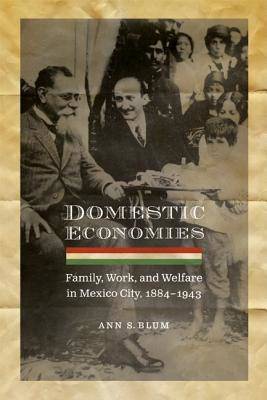
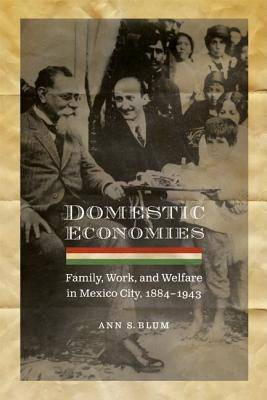
When Porfirio Díaz extended his modernization initiative in Mexico to the administration of public welfare, the families and especially the children of the urban poor became a government concern. Reforming the poor through work and by bolstering Mexico's emerging middle class were central to the government's goals of order and progress. But Porfirian policies linking families and work often endangered the children they were supposed to protect, especially when state welfare institutions became involved in the shadowy traffic of child labor. The Mexican Revolution, which followed, generated an unprecedented surge of social reform that was focused on families and accelerated the integration of child protection into public policy, political discourse, and private life. In ways that transcended the abrupt discontinuities and conflicts of the era, Porfirian officials, revolutionary leaders, and social reformers alike invoked idealized models of the Mexican family as the primary building block of society, making families, especially those of Mexico's working classes, the object of moralizing reform in the name of state construction and national progress. Domestic Economies: Family, Work, and Welfare in Mexico City, 1884-1943 analyzes family practices and class formation in modern Mexico by examining the ways in which family-oriented public policies and institutions affected cross-class interactions as well as relations between parents and children.
Specificaties
Betrokkenen
- Auteur(s):
- Uitgeverij:
Inhoud
- Aantal bladzijden:
- 396
- Taal:
- Engels
- Reeks:
Eigenschappen
- Productcode (EAN):
- 9780803213593
- Verschijningsdatum:
- 1/01/2010
- Uitvoering:
- Paperback
- Formaat:
- Trade paperback (VS)
- Afmetingen:
- 150 mm x 226 mm
- Gewicht:
- 521 g


Alleen bij Standaard Boekhandel
+ 91 punten op je klantenkaart van Standaard Boekhandel
Cadeau

AANGERADEN


Beoordelingen
We publiceren alleen reviews die voldoen aan de voorwaarden voor reviews. Bekijk onze voorwaarden voor reviews.