


- Afhalen na 1 uur in een winkel met voorraad
- Gratis thuislevering in België vanaf € 30
- Ruim aanbod met 7 miljoen producten
- Afhalen na 1 uur in een winkel met voorraad
- Gratis thuislevering in België vanaf € 30
- Ruim aanbod met 7 miljoen producten





Omschrijving
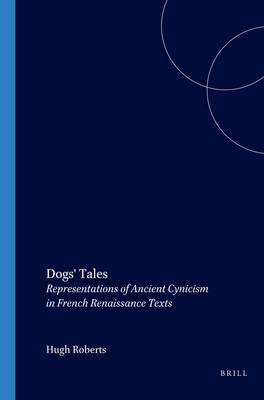
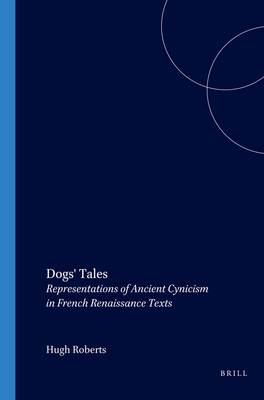
Sleeping rough, having sex in public and insulting the most powerful men in the world earned the ancient Cynic or 'dog' philosophers fame and infamy in antiquity and beyond. This book reveals that French Renaissance texts feature a rich and varied set of responses to the Dogs, including especially Diogenes of Sinope (4th century B.C.), whose life was a subversive performance combining wisdom and wisecracks. Cynicism is a special case in the renewal of interest in ancient philosophy at this time, owing to its transmission through jokes and anecdotes. The Cynics' curious combination of seduction and sedition goes a long way to account for both the excitement and the tension that they generate in Renaissance texts. Responses to the extreme and deliberately marginal philosophical stance of the Dogs cast light back on the mainstream, revealing cultural attitudes, tensions and uncertainties. Above all, representations of Cynicism constitute a site for the exploration of strange and paradoxical ideas in playful and humorous ways. This is true of both major writers, including Erasmus, Rabelais and Montaigne, and of dozens of other less well-known but fascinating figures. This book will be of interest to students and scholars of intellectual and literary history.
Specificaties
Betrokkenen
- Auteur(s):
- Uitgeverij:
Inhoud
- Aantal bladzijden:
- 320
- Taal:
- Engels
- Reeks:
- Reeksnummer:
- nr. 279
Eigenschappen
- Productcode (EAN):
- 9789042020047
- Verschijningsdatum:
- 1/01/2006
- Uitvoering:
- Paperback
- Formaat:
- Trade paperback (VS)
- Afmetingen:
- 155 mm x 234 mm
- Gewicht:
- 449 g


Alleen bij Standaard Boekhandel
+ 158 punten op je klantenkaart van Standaard Boekhandel
CADEAU


Beoordelingen
We publiceren alleen reviews die voldoen aan de voorwaarden voor reviews. Bekijk onze voorwaarden voor reviews.