


- Afhalen na 1 uur in een winkel met voorraad
- Gratis thuislevering in België vanaf € 30
- Ruim aanbod met 7 miljoen producten
- Afhalen na 1 uur in een winkel met voorraad
- Gratis thuislevering in België vanaf € 30
- Ruim aanbod met 7 miljoen producten





€ 296,95
+ 593 punten
Uitvoering
Omschrijving
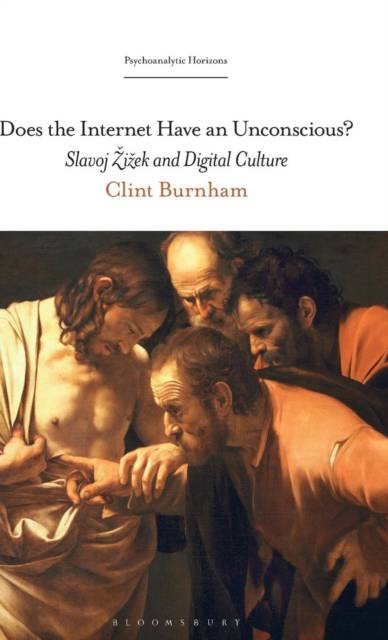
Does the Internet Have an Unconscious? is both an introduction to the work of Slavoj Zizek and an investigation into how his work can be used to think about the digital present.
Clint Burnham uniquely combines the German idealism, Lacanian psychoanalysis, and Marxist materialism found in Zizek's thought to understand how the Internet, social and new media, and digital cultural forms work in our lives and how their failure to work structures our pathologies and fantasies. He suggests that our failure to properly understand the digital is due to our lack of recognition of its political, aesthetic, and psycho-sexual elements. Mixing autobiographical passages with critical analysis, Burnham situates a Zizekian theory of digital culture in the lived human body.Specificaties
Betrokkenen
- Auteur(s):
- Uitgeverij:
Inhoud
- Aantal bladzijden:
- 240
- Taal:
- Engels
- Reeks:
Eigenschappen
- Productcode (EAN):
- 9781501341298
- Verschijningsdatum:
- 31/05/2018
- Uitvoering:
- Hardcover
- Formaat:
- Genaaid
- Afmetingen:
- 140 mm x 216 mm
- Gewicht:
- 417 g



Alleen bij Standaard Boekhandel
+ 593 punten op je klantenkaart van Standaard Boekhandel
Cadeau

AANGERADEN


Beoordelingen
We publiceren alleen reviews die voldoen aan de voorwaarden voor reviews. Bekijk onze voorwaarden voor reviews.