


- Afhalen na 1 uur in een winkel met voorraad
- Gratis thuislevering in België vanaf € 30
- Ruim aanbod met 7 miljoen producten
- Afhalen na 1 uur in een winkel met voorraad
- Gratis thuislevering in België vanaf € 30
- Ruim aanbod met 7 miljoen producten





€ 44,45
+ 88 punten
Omschrijving
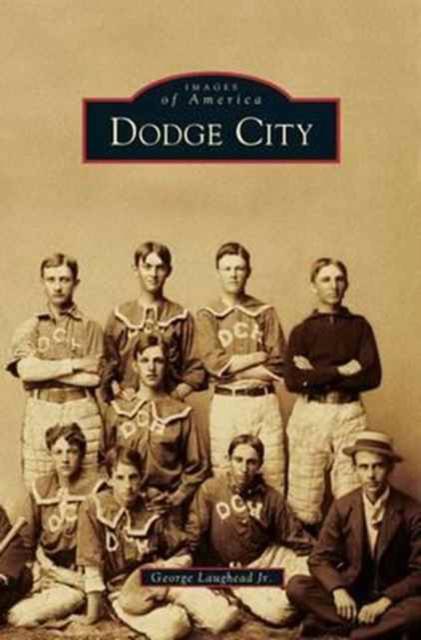
The founding of the American West can be studied in no better place than Dodge City and Ford County. Whether it is frontier forts, trails and cow towns, or farms and ranches, Ford County holds original examples. The best-known Wild West lawmen and gunfighters--Wyatt Earp, Bat Masterson, and Doc Holliday--gained their fame in Dodge City. Its history began with Francisco Vasquez de Coronado crossing the Arkansas River in 1541, leading to the Louisiana Purchase in 1803 (Dodge City is on the 100th meridian border) and the 1821 opening of the Santa Fe Trail by William Becknell. Fort Dodge, built in 1865, still stands as a reminder of the millions of people who passed through Dodge City. The Santa Fe Railroad arrived in 1872, and the buffalo hunters and the Great Western Cattle Trail grew around Dodge City. The pioneer era did not end in the 1800s but continued through the 1930s dust bowl and beyond--demanding the same tough work, cooperation, and high ethics that made surviving possible in the "Great Western Desert."
Specificaties
Betrokkenen
- Auteur(s):
- Uitgeverij:
Inhoud
- Aantal bladzijden:
- 130
- Taal:
- Engels
Eigenschappen
- Productcode (EAN):
- 9781531632670
- Verschijningsdatum:
- 10/09/2012
- Uitvoering:
- Hardcover
- Formaat:
- Genaaid
- Afmetingen:
- 170 mm x 244 mm
- Gewicht:
- 412 g


Alleen bij Standaard Boekhandel
+ 88 punten op je klantenkaart van Standaard Boekhandel
CADEAU

AANGERADEN


Beoordelingen
We publiceren alleen reviews die voldoen aan de voorwaarden voor reviews. Bekijk onze voorwaarden voor reviews.