


- Afhalen na 1 uur in een winkel met voorraad
- Gratis thuislevering in België vanaf € 30
- Ruim aanbod met 7 miljoen producten
- Afhalen na 1 uur in een winkel met voorraad
- Gratis thuislevering in België vanaf € 30
- Ruim aanbod met 7 miljoen producten





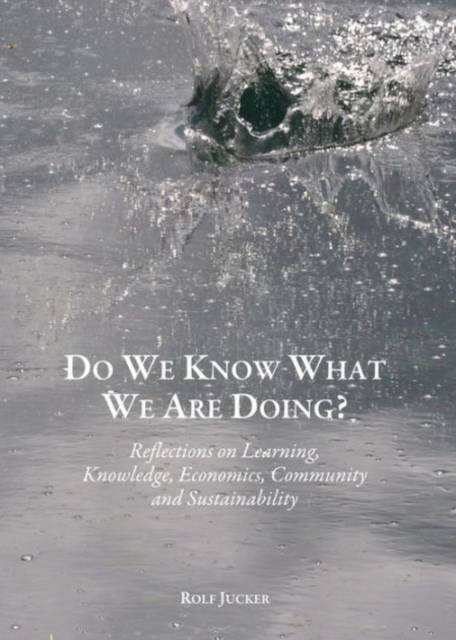
Do We Know What We Are Doing? Reflections on Learning, Knowledge, Economics, Community and Sustainability
Rolf Jucker
Hardcover | Engels
€ 58,95
+ 117 punten
Omschrijving
The discourse of education for sustainability has been severely limited by the fact that it largely refuses to acknowledge important insights from other fields of learning and knowledge. This reluctance to engage with central insights regarding how the world and, more specifically, how human interactions with both the human and non-human world work, ensures that it has remained a largely self-centred discourse. It is tangled up with reflections on education without contextualising them in the real world. As such, it is not just education in general, but also so-called "education for sustainable development" (ESD), that needs to perform a radical paradigm shift and become communal learning in real-time in a real place. This, therefore, necessitates a willingness to face some tough questions regarding its prevailing insularity.
Specificaties
Betrokkenen
- Auteur(s):
- Uitgeverij:
Inhoud
- Aantal bladzijden:
- 110
- Taal:
- Engels
Eigenschappen
- Productcode (EAN):
- 9781443866859
- Verschijningsdatum:
- 23/10/2014
- Uitvoering:
- Hardcover
- Formaat:
- Genaaid
- Afmetingen:
- 152 mm x 203 mm
- Gewicht:
- 848 g


Alleen bij Standaard Boekhandel
+ 117 punten op je klantenkaart van Standaard Boekhandel
Cadeau

AANGERADEN


Beoordelingen
We publiceren alleen reviews die voldoen aan de voorwaarden voor reviews. Bekijk onze voorwaarden voor reviews.