



- Afhalen na 1 uur in een winkel met voorraad
- In januari gratis thuislevering in België
- Ruim aanbod met 7 miljoen producten
- Afhalen na 1 uur in een winkel met voorraad
- In januari gratis thuislevering in België
- Ruim aanbod met 7 miljoen producten





€ 51,95
+ 103 punten
Omschrijving
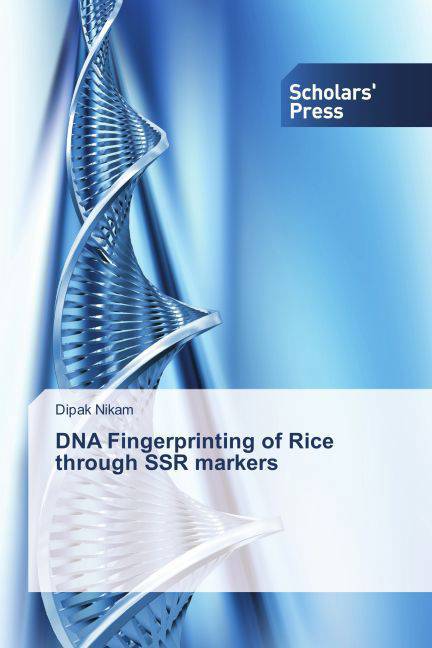
The simple sequence repeat (SSR) markers analysis was done to determine the allelic diversity and relationship among 23 rice varieties developed by Dr, B. S. K. K. V. Dapoli. A total of 35 SSR primer pairs were polymorphic and generated 184 alleles with an average of 5.26 alleles per primer pair. The number of alleles amplified for each primer pair ranged from 2 to 8. The polymorphic information content (PIC) values of each primer pair ranged from 0.23 to 0.78 with an average of 0.58. The UPGMA grouped 23 rice varieties into two main clusters which were further divided into two sub-clusters. The first major cluster consists of seven released rice varieties and 16 varieties form second major cluster. Most of the closely related cultivars were identified with the fingerprinting based on the polymorphic SSR primer pairs. The results could be useful for resolving the problem that arises in seed certification programme as well as the determination of genetic diversity of the rice varieties very quickly. Similarly it will protect the varieties from commercial exploitation by others because of its uniqueness in amplification pattern.
Specificaties
Betrokkenen
- Auteur(s):
- Uitgeverij:
Inhoud
- Aantal bladzijden:
- 80
- Taal:
- Engels
Eigenschappen
- Productcode (EAN):
- 9783639761900
- Verschijningsdatum:
- 22/01/2015
- Uitvoering:
- Paperback
- Afmetingen:
- 150 mm x 220 mm
- Gewicht:
- 127 g


Alleen bij Standaard Boekhandel
+ 103 punten op je klantenkaart van Standaard Boekhandel
Cadeau

AANGERADEN


Beoordelingen
We publiceren alleen reviews die voldoen aan de voorwaarden voor reviews. Bekijk onze voorwaarden voor reviews.