


- Afhalen na 1 uur in een winkel met voorraad
- Gratis thuislevering in België vanaf € 30
- Ruim aanbod met 7 miljoen producten
- Afhalen na 1 uur in een winkel met voorraad
- Gratis thuislevering in België vanaf € 30
- Ruim aanbod met 7 miljoen producten





€ 75,95
+ 151 punten
Omschrijving
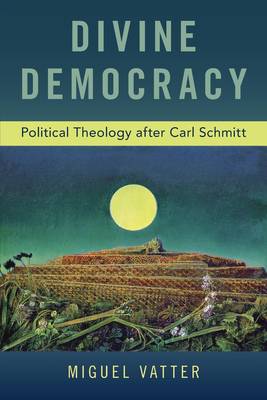
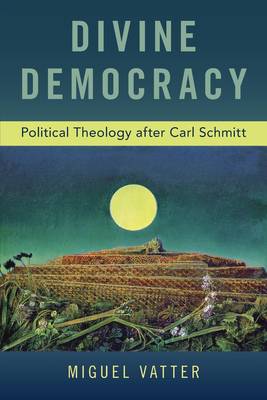
How secular are the political and legal concepts that underpin liberal democracy? Carl Schmitt first coined the term political theology to show the dependency of modern western jurisprudence and political science on Christian theological discourse, and in so doing criticized the claim to religious neutrality of liberal institutions. In this book, Miguel Vatter reconstructs how and why the discourse of political theology was adopted and repurposed by anti-Schmittian thinkers, from Eric Voegelin through Jacques Maritain and Ernst Kantorowicz to Jürgen Habermas, to bolster the legitimacy of liberal democratic government. The book traces the way in which crucial political concepts for liberal democracy--including sovereignty, representation, government, constitutionalism, human rights, and public reason--are transformed when they become part of a discourse on political theology. Vatter's aim is to provide an intellectual history of political theology in the 20th century. His study reveals the overdetermined role that religion plays in contemporary democratic political and legal theory as an ultimate source of legitimacy for government and as wellspring for revolutionary aspirations.
Specificaties
Betrokkenen
- Auteur(s):
- Uitgeverij:
Inhoud
- Aantal bladzijden:
- 312
- Taal:
- Engels
Eigenschappen
- Productcode (EAN):
- 9780190942366
- Verschijningsdatum:
- 1/11/2020
- Uitvoering:
- Paperback
- Formaat:
- Trade paperback (VS)
- Afmetingen:
- 155 mm x 231 mm
- Gewicht:
- 476 g


Alleen bij Standaard Boekhandel
+ 151 punten op je klantenkaart van Standaard Boekhandel
Cadeau

AANGERADEN


Beoordelingen
We publiceren alleen reviews die voldoen aan de voorwaarden voor reviews. Bekijk onze voorwaarden voor reviews.