


- Afhalen na 1 uur in een winkel met voorraad
- Gratis thuislevering in België vanaf € 30
- Ruim aanbod met 7 miljoen producten
- Afhalen na 1 uur in een winkel met voorraad
- Gratis thuislevering in België vanaf € 30
- Ruim aanbod met 7 miljoen producten





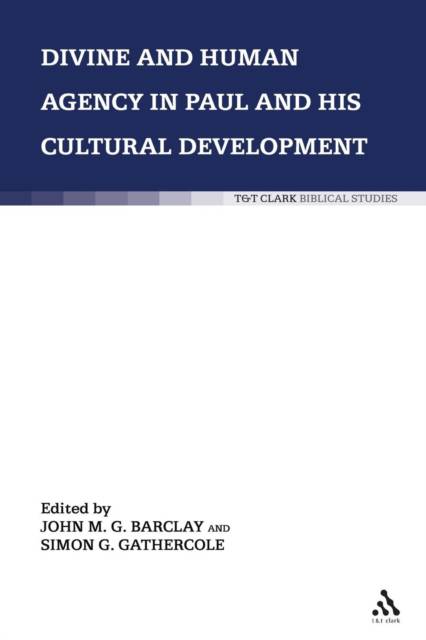
Divine and Human Agency in Paul and His Cultural Environment
€ 101,95
+ 203 punten
Eenvoudig bestellen
Veilig betalen


Gratis thuislevering vanaf € 30 (via bpost)
Gratis levering in je Standaard Boekhandel
Omschrijving
Since the work of E.P. Sanders, most modern approaches to this topic have been focused on social or sociological aspects of the issue (particularly in relation to Paul's mission to the Gentiles), but the last few years have seen an increasing willingness to open up questions seemingly 'settled' in the New Perspective, and a renewed desire to examine the structures of theology concerning grace and human action both in Paul and in his contemporary Judaism. It seems now worthwhile to examine to what extent there was an internal debate within Judaism about divine grace and its relation to human agency, and whether this debate could or did spawn various more or less radical solutions.
The aim of this volume is to re-examine Paul within contemporary Jewish debate on this topic, attuned to the significant theological issues he raises without imposing upon him the frameworks developed in later Christian thought.Specificaties
Betrokkenen
- Uitgeverij:
Inhoud
- Aantal bladzijden:
- 224
- Taal:
- Engels
- Reeks:
Eigenschappen
- Productcode (EAN):
- 9780567084439
- Verschijningsdatum:
- 27/05/2008
- Uitvoering:
- Paperback
- Formaat:
- Trade paperback (VS)
- Afmetingen:
- 161 mm x 231 mm
- Gewicht:
- 349 g

Alleen bij Standaard Boekhandel
+ 203 punten op je klantenkaart van Standaard Boekhandel
CADEAU

AANGERADEN


Beoordelingen
We publiceren alleen reviews die voldoen aan de voorwaarden voor reviews. Bekijk onze voorwaarden voor reviews.