


- Afhalen na 1 uur in een winkel met voorraad
- Gratis thuislevering in België vanaf € 30
- Ruim aanbod met 7 miljoen producten
- Afhalen na 1 uur in een winkel met voorraad
- Gratis thuislevering in België vanaf € 30
- Ruim aanbod met 7 miljoen producten





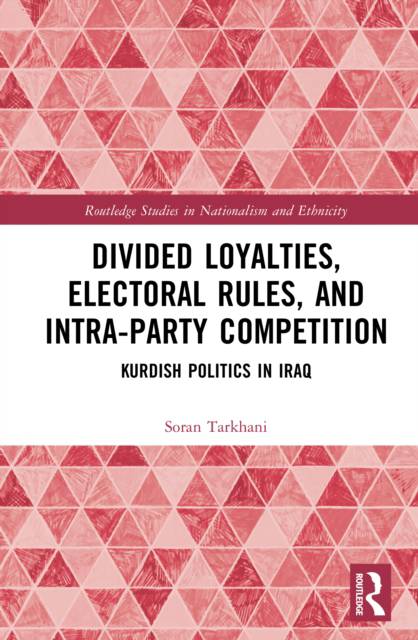
Divided Loyalties, Electoral Rules, and Intra-Party Competition
Kurdish Politics in Iraq
Soran Tarkhani
€ 305,45
+ 610 punten
Omschrijving
Divided Loyalties, Electoral Rules, and Intra-Party Competition explores how electoral systems, social divisions, and regional geopolitics have shaped the course of Kurdish politics in Iraq since the early 1990s.
Specificaties
Betrokkenen
- Auteur(s):
- Uitgeverij:
Inhoud
- Aantal bladzijden:
- 162
- Taal:
- Engels
- Reeks:
Eigenschappen
- Productcode (EAN):
- 9781041195771
- Verschijningsdatum:
- 27/03/2026
- Uitvoering:
- Hardcover
- Formaat:
- Genaaid
- Afmetingen:
- 156 mm x 234 mm
- Gewicht:
- 421 g


Alleen bij Standaard Boekhandel
+ 610 punten op je klantenkaart van Standaard Boekhandel
Cadeau

AANGERADEN


Beoordelingen
We publiceren alleen reviews die voldoen aan de voorwaarden voor reviews. Bekijk onze voorwaarden voor reviews.