


- Afhalen na 1 uur in een winkel met voorraad
- Gratis thuislevering in België vanaf € 30
- Ruim aanbod met 7 miljoen producten
- Afhalen na 1 uur in een winkel met voorraad
- Gratis thuislevering in België vanaf € 30
- Ruim aanbod met 7 miljoen producten





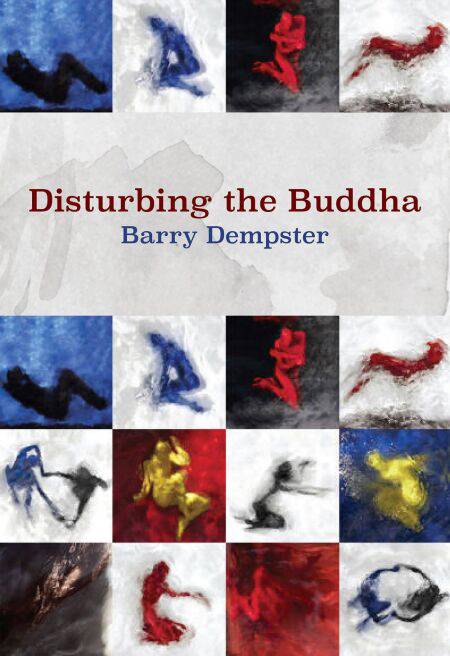
Omschrijving
Disturbing the Buddha, Barry Dempster's fifteenth collection, is disarmingly conversational and, like the best conversations, it moves between reverence and irreverence, sincerity and irony as it grapples with love, loss, loneliness and simple lack of luck--the "three-leaf clovers" so much more plentiful than the four. Dempster's wit and playful metaphoric turns let us take for granted the courage needed to admit to lif'’s ongoing intensities, disruptions, and indignities. In these poems, a forty-year-old man dons a pink plastic crown on his niece's order; a solitary man watches a Nicole Kidman rom-com with his cat; an aging Aphrodite, more mortal than god, suffers hot flashes. Like the mystic poets he addresses in the book’s final section, Dempster respects the unknown as he comes to terms with the ups and downs of the all-too-human condition.
Shifting effortlessly from light-hearted ode to solemn elegy, Dempster offers no touch-up jobs; instead we find a love of the flaw, a generosity toward it even as he exposes it. This is a poetry of inclusiveness, engaging both our better and worse angels, baring its Achilles' heel and trusting us to do likewise.
Shifting effortlessly from light-hearted ode to solemn elegy, Dempster offers no touch-up jobs; instead we find a love of the flaw, a generosity toward it even as he exposes it. This is a poetry of inclusiveness, engaging both our better and worse angels, baring its Achilles' heel and trusting us to do likewise.
Specificaties
Betrokkenen
- Auteur(s):
- Uitgeverij:
Inhoud
- Aantal bladzijden:
- 97
- Taal:
- Engels
Eigenschappen
- Productcode (EAN):
- 9781771314343
- Verschijningsdatum:
- 15/03/2016
- Uitvoering:
- E-book
- Beveiligd met:
- Digital watermarking
- Formaat:
- ePub


Alleen bij Standaard Boekhandel
+ 7 punten op je klantenkaart van Standaard Boekhandel
Cadeau

AANGERADEN


Beoordelingen
We publiceren alleen reviews die voldoen aan de voorwaarden voor reviews. Bekijk onze voorwaarden voor reviews.