



Bedankt voor het vertrouwen het afgelopen jaar! Om jou te bedanken bieden we GRATIS verzending (in België) aan op alles gedurende de hele maand januari.
- Afhalen na 1 uur in een winkel met voorraad
- In januari gratis thuislevering in België
- Ruim aanbod met 7 miljoen producten
Bedankt voor het vertrouwen het afgelopen jaar! Om jou te bedanken bieden we GRATIS verzending (in België) aan op alles gedurende de hele maand januari.
- Afhalen na 1 uur in een winkel met voorraad
- In januari gratis thuislevering in België
- Ruim aanbod met 7 miljoen producten





€ 132,45
+ 264 punten
Omschrijving
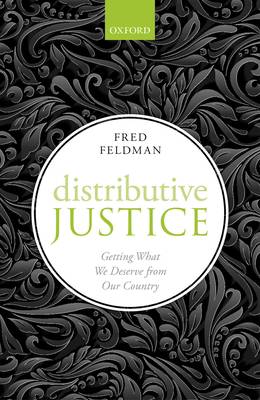
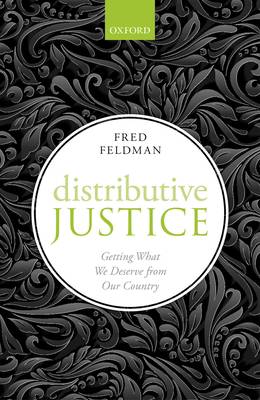
This book presents and defends a novel theory of distributive justice, according to which political economic distributive justice reigns in a state if the government of that state ensures that citizens receive the benefits and burdens they deserve from it. The book starts with a more precise characterization of the target of this inquiry - political economic distributive justice. It then proceeds to explicate the concept of desert, evaluate proposed ways of justifying desert claims, formulate a number of desertist theories of justice, and draw out the special features of the version defended here. Once the proposed form of desertism has been stated, its implications are compared to those of egalitarianism, luck egalitarianism, sufficientism, the difference principle, libertarianism, and prioritarianism, with the aim of showing that desertism yields more attractive results in cases that prove difficult for other theories currently being discussed in the literature. Arguments - especially arguments deriving from Rawls -- against desertism are explained and shown to be ineffective. There is discussion of the distinction between comparative and non-comparative justice. Emphasis is placed on the distinction between (a) theories about the moral rightness of distributions, (b) theories about the intrinsic value of distributions, and (c) theories specifically about the justice of distributions. There is discussion of the unfortunate results of confusion of these different sorts of theory. The views of Rawls, Nozick, Parfit, Frankfurt, Feinberg and others are discussed. A version of the method of reflective equilibrium is explained and defended. The book concludes with a series of admissions concerning puzzles that remain unsolved.
Specificaties
Betrokkenen
- Auteur(s):
- Uitgeverij:
Inhoud
- Aantal bladzijden:
- 280
- Taal:
- Engels
Eigenschappen
- Productcode (EAN):
- 9780198782988
- Verschijningsdatum:
- 14/09/2016
- Uitvoering:
- Hardcover
- Formaat:
- Genaaid
- Afmetingen:
- 150 mm x 236 mm
- Gewicht:
- 521 g


Alleen bij Standaard Boekhandel
+ 264 punten op je klantenkaart van Standaard Boekhandel
SOLDEN


Beoordelingen
We publiceren alleen reviews die voldoen aan de voorwaarden voor reviews. Bekijk onze voorwaarden voor reviews.