


- Afhalen na 1 uur in een winkel met voorraad
- Gratis thuislevering in België vanaf € 30
- Ruim aanbod met 7 miljoen producten
- Afhalen na 1 uur in een winkel met voorraad
- Gratis thuislevering in België vanaf € 30
- Ruim aanbod met 7 miljoen producten





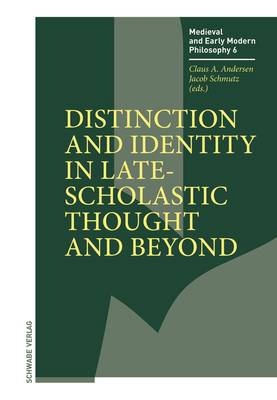
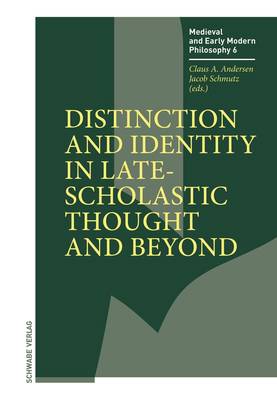
Distinction and Identity in Late-Scholastic Thought and Beyond
€ 74,95
+ 149 punten
Omschrijving
This volume aims to document the historical emergence of the various types of distinctions in medieval philosophy, highlighting in particular the emergence of the Formalist tradition that had its roots in the works of the Franciscan John Duns Scotus ( 1308) and his early followers. This literature enjoyed vast diffusion during the Renaissance and still played a significant role in textbooks of scholastic philosophy in the seventeenth and eighteenth centuries. It framed the early-modern debates about the distinction between body and mind or matter and extension. This book provides an important case for a much-needed revision of the relationship between "Medieval" and "Early Modern" philosophy - these categories are too often used to signal some fundamental divide in intellectual history, where in fact there was continuity. It deals with many figures who have been little studied to date as well as canonical thinkers such as Francisco Suarez and Gottfried Wilhelm Leibniz.>
Specificaties
Betrokkenen
- Uitgeverij:
Inhoud
- Aantal bladzijden:
- 444
- Taal:
- Engels
- Reeks:
- Reeksnummer:
- nr. 6
Eigenschappen
- Productcode (EAN):
- 9783796553707
- Verschijningsdatum:
- 11/08/2025
- Uitvoering:
- Hardcover
- Formaat:
- Genaaid
- Afmetingen:
- 157 mm x 226 mm
- Gewicht:
- 793 g

Alleen bij Standaard Boekhandel
+ 149 punten op je klantenkaart van Standaard Boekhandel
Cadeau

AANGERADEN


Beoordelingen
We publiceren alleen reviews die voldoen aan de voorwaarden voor reviews. Bekijk onze voorwaarden voor reviews.