


- Afhalen na 1 uur in een winkel met voorraad
- Gratis thuislevering in België vanaf € 30
- Ruim aanbod met 7 miljoen producten
- Afhalen na 1 uur in een winkel met voorraad
- Gratis thuislevering in België vanaf € 30
- Ruim aanbod met 7 miljoen producten





€ 124,45
+ 248 punten
Uitvoering
Omschrijving
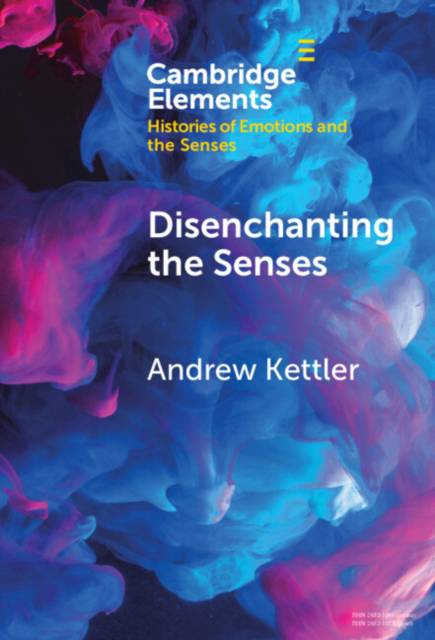
Specifically standing between humanity and natural perceptions of the environment in the contemporary age of ecological decay are disenchanted meanings of sulfur and evil that changed to support the base of capitalism during the Early Modern Era. The blinding system of linguistic and material networks that capital constructs to deny humans the ability to sense environmental threat can be understood most notably through a history of ideas related to supposedly sulfuric demons and the discursive archaeology surrounding many toxic sulfuric compounds ardently linked with the Anthropocene. Thinking of cause and effect in networks of objects and humans, as well as the structures of modernity and capitalism, this Element reasserts a philosophy of disenchantment into the history of the environment. At the core of modernity, capitalist discourses greenwashed experiences of the body related to evils of environmental threat to protect the means of production from considerable critique during the Industrial Revolution.
Specificaties
Betrokkenen
- Auteur(s):
- Uitgeverij:
Inhoud
- Aantal bladzijden:
- 84
- Taal:
- Engels
- Reeks:
Eigenschappen
- Productcode (EAN):
- 9781009532952
- Verschijningsdatum:
- 8/01/2026
- Uitvoering:
- Hardcover
- Formaat:
- Genaaid
- Afmetingen:
- 152 mm x 229 mm
- Gewicht:
- 285 g


Alleen bij Standaard Boekhandel
+ 248 punten op je klantenkaart van Standaard Boekhandel
Cadeau

AANGERADEN


Beoordelingen
We publiceren alleen reviews die voldoen aan de voorwaarden voor reviews. Bekijk onze voorwaarden voor reviews.