


- Afhalen na 1 uur in een winkel met voorraad
- Gratis thuislevering in België vanaf € 30
- Ruim aanbod met 7 miljoen producten
- Afhalen na 1 uur in een winkel met voorraad
- Gratis thuislevering in België vanaf € 30
- Ruim aanbod met 7 miljoen producten





€ 198,45
+ 396 punten
Omschrijving
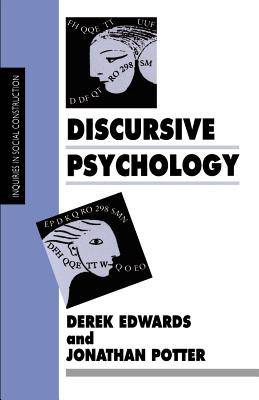
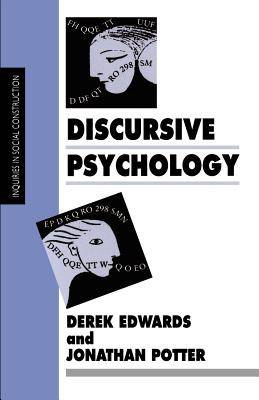
"It is the combination of a number of insights about language, and their innovative application to other areas of research, that are the hallmarks of discursive psychology. The book is a persuasive account of the insights that discourse analysis can provide, and the benefits of the discursive approach. It is well written and researched. The discusssion of other psychological, sociological and linguistic perspectives, and the discursive analyses of memories and attribution, should provoke the interest of a wide range of social scientists. This book complements and builds on previous work, and makes a significant contribution to the promotion of this important approach." --Gavin Nobes in Journal of Community & Applied Social Psychology Discursive Psychology is an accessible, introductory volume that explores the key elements of a discursive approach to psychology. Building on discourse analysis, the authors present an integrated discursive action model which leads to a radical reworking of some of psychology′s most central concepts; namely, language, cognition, truth, knowledge, and reality. The implications of a discursive perspective for these topics are explored within the framework of the perceptual-cognitivist emphasis that currently dominates psychology. A particular theme is the reconceptualization of memory and attribution. The authors also examine the communicative and interactional work performed when individuals describe and explain past events, construct factual reports, and attribute mental states. Based on empirical knowledge and research, this volume will be an invaluable tool for students and professionals of psychology, counseling, and communication studies.
Specificaties
Betrokkenen
- Auteur(s):
- Uitgeverij:
Inhoud
- Aantal bladzijden:
- 208
- Taal:
- Engels
- Reeks:
Eigenschappen
- Productcode (EAN):
- 9780803984431
- Verschijningsdatum:
- 27/05/1992
- Uitvoering:
- Paperback
- Formaat:
- Trade paperback (VS)
- Afmetingen:
- 140 mm x 216 mm
- Gewicht:
- 272 g


Alleen bij Standaard Boekhandel
+ 396 punten op je klantenkaart van Standaard Boekhandel
Cadeau

AANGERADEN


Beoordelingen
We publiceren alleen reviews die voldoen aan de voorwaarden voor reviews. Bekijk onze voorwaarden voor reviews.