


- Afhalen na 1 uur in een winkel met voorraad
- Gratis thuislevering in België vanaf € 30
- Ruim aanbod met 7 miljoen producten
- Afhalen na 1 uur in een winkel met voorraad
- Gratis thuislevering in België vanaf € 30
- Ruim aanbod met 7 miljoen producten


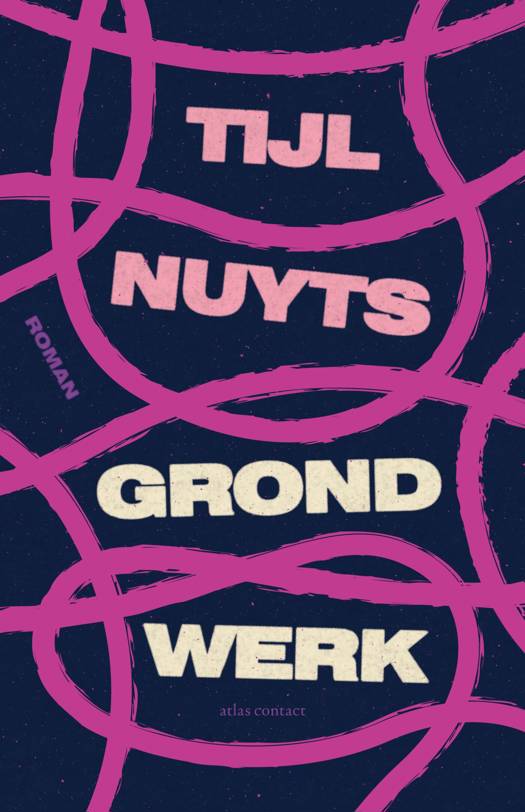


Discursive Constructions around Terrorism in the "People's Daily" (China) and "The Sun" (UK) before and after 9.11
A Corpus-based Contrastive Critical Discourse Analysis
Yufang Qian
€ 85,45
+ 170 punten
Omschrijving
How have media constructions around terrorism changed since 9.11? This book analyses the ways that language is employed in the media to reference discourses around terrorism in different social systems and doctrines, and illustrates the ways in which news reporting around terrorism is filtered according to a wide range of phenomena including national interests, the goals of those who run the press, international relations, methods of news production, audience targeting and other historical, political and social factors.
This book collects and analyses corpora from news articles in the two most widely read newspapers in China and the UK. Corpus techniques including frequency and keyness are merged with methods associated with critical discourse analysis particularly investigation of social context. This book shows that there is a wide range of possible discursive constructions of terrorism in the media. Such different perspectives are likely to shape national or even global opinion on how to tackle terrorism.
This book collects and analyses corpora from news articles in the two most widely read newspapers in China and the UK. Corpus techniques including frequency and keyness are merged with methods associated with critical discourse analysis particularly investigation of social context. This book shows that there is a wide range of possible discursive constructions of terrorism in the media. Such different perspectives are likely to shape national or even global opinion on how to tackle terrorism.
Specificaties
Betrokkenen
- Auteur(s):
- Uitgeverij:
Inhoud
- Aantal bladzijden:
- 272
- Taal:
- Engels
- Reeks:
- Reeksnummer:
- nr. 23
Eigenschappen
- Productcode (EAN):
- 9783034301862
- Verschijningsdatum:
- 8/07/2010
- Uitvoering:
- Paperback
- Formaat:
- Trade paperback (VS)
- Afmetingen:
- 152 mm x 229 mm
- Gewicht:
- 390 g


Alleen bij Standaard Boekhandel
+ 170 punten op je klantenkaart van Standaard Boekhandel
AANGERADEN


Beoordelingen
We publiceren alleen reviews die voldoen aan de voorwaarden voor reviews. Bekijk onze voorwaarden voor reviews.