



Bedankt voor het vertrouwen het afgelopen jaar! Om jou te bedanken bieden we GRATIS verzending (in België) aan op alles gedurende de hele maand januari.
- Afhalen na 1 uur in een winkel met voorraad
- In januari gratis thuislevering in België
- Ruim aanbod met 7 miljoen producten
Bedankt voor het vertrouwen het afgelopen jaar! Om jou te bedanken bieden we GRATIS verzending (in België) aan op alles gedurende de hele maand januari.
- Afhalen na 1 uur in een winkel met voorraad
- In januari gratis thuislevering in België
- Ruim aanbod met 7 miljoen producten





€ 15,76
+ 15 punten
Uitvoering
Omschrijving
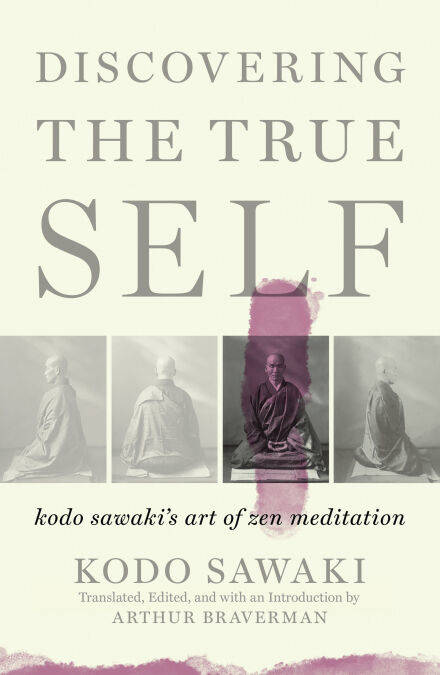
In easy-to-understand language, a 20th-century Zen master explains profound teachings from Zen Buddhism, offering an essential resource for anyone interested in Zen meditation.
“You can’t see your true Self. [But] you can become it. Becoming your true Self is zazen.”
Having come of age as an orphan in the slums of Tsu City, Japan, Kodo Sawaki had to fight his way to adulthood, and became one of the most respected Zen masters of the 20th century. He had a great understanding of Dogen Zenji’s teaching and he knew how to express Dogen’s philosophy in clear, easily–understood language. Sawaki’s primary mission was to bring all people to an awareness of the Self, which he believed came through Zen meditation.
His humor and straightforward talk garnered Sawaki followers from all walks of life. Though he remained poor by choice, he was rich in spirit. Two of his students who became known in America as well as in Japan were Kosho Uchiyama, abbot of Antaiji Temple and author of Opening The Hand of Thought, and Gudo Nishijima, Zen teacher and translator of Dogen’s Shobogenzo.
A student of Kosho Uchiyama, Arthur Braverman has compiled an anthology of Sawaki’s writings and a garland of sayings gathered from throughout his lifetime. One of a few collections of Sawaki’s teachings published in English, his life and work bracket the most intriguing and influential period of modern Zen practice in Japan and America.
“You can’t see your true Self. [But] you can become it. Becoming your true Self is zazen.”
Having come of age as an orphan in the slums of Tsu City, Japan, Kodo Sawaki had to fight his way to adulthood, and became one of the most respected Zen masters of the 20th century. He had a great understanding of Dogen Zenji’s teaching and he knew how to express Dogen’s philosophy in clear, easily–understood language. Sawaki’s primary mission was to bring all people to an awareness of the Self, which he believed came through Zen meditation.
His humor and straightforward talk garnered Sawaki followers from all walks of life. Though he remained poor by choice, he was rich in spirit. Two of his students who became known in America as well as in Japan were Kosho Uchiyama, abbot of Antaiji Temple and author of Opening The Hand of Thought, and Gudo Nishijima, Zen teacher and translator of Dogen’s Shobogenzo.
A student of Kosho Uchiyama, Arthur Braverman has compiled an anthology of Sawaki’s writings and a garland of sayings gathered from throughout his lifetime. One of a few collections of Sawaki’s teachings published in English, his life and work bracket the most intriguing and influential period of modern Zen practice in Japan and America.
Specificaties
Betrokkenen
- Auteur(s):
- Vertaler(s):
- Uitgeverij:
Inhoud
- Aantal bladzijden:
- 272
- Taal:
- Engels
Eigenschappen
- Productcode (EAN):
- 9781640093782
- Verschijningsdatum:
- 19/10/2020
- Uitvoering:
- E-book
- Beveiligd met:
- Adobe DRM
- Formaat:
- ePub


Alleen bij Standaard Boekhandel
+ 15 punten op je klantenkaart van Standaard Boekhandel
SOLDEN


Beoordelingen
We publiceren alleen reviews die voldoen aan de voorwaarden voor reviews. Bekijk onze voorwaarden voor reviews.