


- Afhalen na 1 uur in een winkel met voorraad
- Gratis thuislevering in België vanaf € 30
- Ruim aanbod met 7 miljoen producten
- Afhalen na 1 uur in een winkel met voorraad
- Gratis thuislevering in België vanaf € 30
- Ruim aanbod met 7 miljoen producten





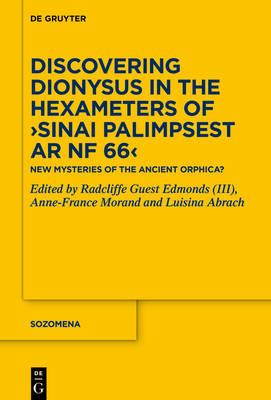
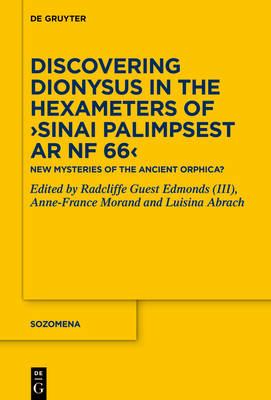
Discovering Dionysus in the Hexameters of >Sinai Palimpsest AR Nf 66
New Mysteries of the Ancient Orphica?
€ 124,95
+ 249 punten
Omschrijving
The recent discovery of Greek hexameters in a palimpsest in the library of Saint Catherine's Monastery in Sinai (Sin. ar. NF 66) introduced a fascinating new piece of the puzzle for scholars of ancient Greek mythology studying the tales of the god Dionysus. This volume provides a new critical edition and translations of the text, along with essays that explore crucial interpretive issues, including the poetics of the text, its connections with Greek religion and ritual, and its relation to other hexametrical texts such as Nonnus' Dionysiaca, the Orphic Hymns, and the Orphic Rhapsodies. This fragmentary palimpsest includes new twists on the less frequently attested stories of the childhood of Dionysus, including his relations with Aphrodite and his divine mother, Persephone, as well as his grisly dismemberment at the hands of the minions of his stepmother, Hera. This exciting new text will be of interest to scholars of antiquity, including specialists in imperial Greek literature and early Christianity, as it sheds light on a number of mysteries in Greek religion and mythology and might even provide the first direct witness to the lost Orphic Rhapsodies, known currently only from quotations preserved in other ancient authors.
Specificaties
Betrokkenen
- Uitgeverij:
Inhoud
- Aantal bladzijden:
- 314
- Taal:
- Engels, Oudgrieks
- Reeks:
- Reeksnummer:
- nr. 23
Eigenschappen
- Productcode (EAN):
- 9783111629612
- Verschijningsdatum:
- 29/12/2025
- Uitvoering:
- Hardcover
- Formaat:
- Genaaid
- Afmetingen:
- 156 mm x 234 mm
- Gewicht:
- 616 g

Alleen bij Standaard Boekhandel
+ 249 punten op je klantenkaart van Standaard Boekhandel
Cadeau

AANGERADEN


Beoordelingen
We publiceren alleen reviews die voldoen aan de voorwaarden voor reviews. Bekijk onze voorwaarden voor reviews.