


- Afhalen na 1 uur in een winkel met voorraad
- Gratis thuislevering in België vanaf € 30
- Ruim aanbod met 7 miljoen producten
- Afhalen na 1 uur in een winkel met voorraad
- Gratis thuislevering in België vanaf € 30
- Ruim aanbod met 7 miljoen producten





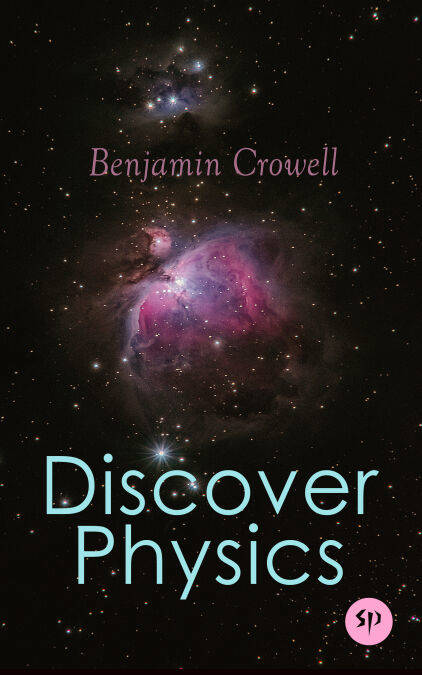
Omschrijving
Since birth, you've wanted to discover things. You started out by putting every available object in your mouth. Later you began asking the grownups all those "why" questions. None of this makes you unique — humans are naturally curious animals. What's unusual is that you've decided to take a physics course. There are easier ways to satisfy a science requirement, so evidently, you're one of those uncommon people who has retained the habit of curiosity into adulthood, and you're willing to tackle a subject that requires sustained intellectual effort. Bravo!
Contents:
The Rules of the Rules
A Preview of Noether's Theorem
1.3 What Are The Symmetries?
Lab 1a: Scaling
The Ray Model of Light
Rays Don't Rust
Time-Reversal Symmetry
The Speed of Light
Reflection
Lab 2a: Time-Reversal and Reflection
Lab 2b: Models of Light
Lab 2c: The Speed of Light in Matter
Real and Virtual Images
Angular Magnification
Lab 3a: Images
Lab 3b: A Real Image
Lab 3c: Lenses
Lab 3d: The Telescope
Conservation of Mass
Conservation of Energy
Newton's Law of Gravity
Noether's Theorem for Energy
Equivalence of Mass and Energy
Lab 4a: Conservation Laws
Lab 4b: Conservation of Energy
Conservation of Momentum
Translation Symmetry
The Strong Principle of Inertia
Momentum
Lab 5a: Interactions
Lab 5b: Frames of Reference
Lab 5c: Conservation of Momentum
Lab 5d: Conservation of Angular Momentum.
The Principle of Relativity
Distortion of Time and Space
Combination of velocities
Equivalence of mass and energy
Electricity and Magnetism
Electrical Interactions
Newton's quest
Charge and electric field
Circuits
Voltage,
Resistance
Electromagnetism
Magnetic interactions
Relativity requires magnetism
Magnetic fields,
Electromagnetic signals
What's Left?
Lab 7a: Charge
Lab 7b: Electrical Measurements
Lab 7c: Is Charge Conserved?
Lab 7d: Circuits
Lab 7e: Electric Fields
Lab 7f: Magnetic Fields
Lab 7g: Induction
Lab 7h: Light Waves
Lab 7i: Electron Waves
Contents:
The Rules of the Rules
A Preview of Noether's Theorem
1.3 What Are The Symmetries?
Lab 1a: Scaling
The Ray Model of Light
Rays Don't Rust
Time-Reversal Symmetry
The Speed of Light
Reflection
Lab 2a: Time-Reversal and Reflection
Lab 2b: Models of Light
Lab 2c: The Speed of Light in Matter
Real and Virtual Images
Angular Magnification
Lab 3a: Images
Lab 3b: A Real Image
Lab 3c: Lenses
Lab 3d: The Telescope
Conservation of Mass
Conservation of Energy
Newton's Law of Gravity
Noether's Theorem for Energy
Equivalence of Mass and Energy
Lab 4a: Conservation Laws
Lab 4b: Conservation of Energy
Conservation of Momentum
Translation Symmetry
The Strong Principle of Inertia
Momentum
Lab 5a: Interactions
Lab 5b: Frames of Reference
Lab 5c: Conservation of Momentum
Lab 5d: Conservation of Angular Momentum.
The Principle of Relativity
Distortion of Time and Space
Combination of velocities
Equivalence of mass and energy
Electricity and Magnetism
Electrical Interactions
Newton's quest
Charge and electric field
Circuits
Voltage,
Resistance
Electromagnetism
Magnetic interactions
Relativity requires magnetism
Magnetic fields,
Electromagnetic signals
What's Left?
Lab 7a: Charge
Lab 7b: Electrical Measurements
Lab 7c: Is Charge Conserved?
Lab 7d: Circuits
Lab 7e: Electric Fields
Lab 7f: Magnetic Fields
Lab 7g: Induction
Lab 7h: Light Waves
Lab 7i: Electron Waves
Specificaties
Betrokkenen
- Auteur(s):
- Uitgeverij:
Inhoud
- Aantal bladzijden:
- 210
- Taal:
- Engels
Eigenschappen
- Productcode (EAN):
- 9788027242832
- Verschijningsdatum:
- 3/09/2018
- Uitvoering:
- E-book
- Beveiligd met:
- Digital watermarking
- Formaat:
- ePub


Alleen bij Standaard Boekhandel
+ 1 punten op je klantenkaart van Standaard Boekhandel
Cadeau

AANGERADEN


Beoordelingen
We publiceren alleen reviews die voldoen aan de voorwaarden voor reviews. Bekijk onze voorwaarden voor reviews.