Standaard Boekhandel gebruikt cookies en gelijkaardige technologieën om de website goed te laten werken en je een betere surfervaring te bezorgen.
Hieronder kan je kiezen welke cookies je wilt inschakelen:
Technische en functionele cookies
Deze cookies zijn essentieel om de website goed te laten functioneren, en laten je toe om bijvoorbeeld in te loggen. Je kan deze cookies niet uitschakelen.
Analytische cookies
Deze cookies verzamelen anonieme informatie over het gebruik van onze website. Op die manier kunnen we de website beter afstemmen op de behoeften van de gebruikers.
Marketingcookies
Deze cookies delen je gedrag op onze website met externe partijen, zodat je op externe platformen relevantere advertenties van Standaard Boekhandel te zien krijgt.
Bedankt voor het vertrouwen het afgelopen jaar! Om jou te bedanken bieden we GRATIS verzending (in België) aan op alles gedurende de hele maand januari.
Afhalen na 1 uur in een winkel met voorraad
In januari gratis thuislevering in België
Ruim aanbod met 7 miljoen producten
Bedankt voor het vertrouwen het afgelopen jaar! Om jou te bedanken bieden we GRATIS verzending (in België) aan op alles gedurende de hele maand januari.
Je kan maximaal 250 producten tegelijk aan je winkelmandje toevoegen. Verwijdere enkele producten uit je winkelmandje, of splits je bestelling op in meerdere bestellingen.
In januari gratis thuislevering in België (via bpost)
Gratis levering in je Standaard Boekhandel
Omschrijving
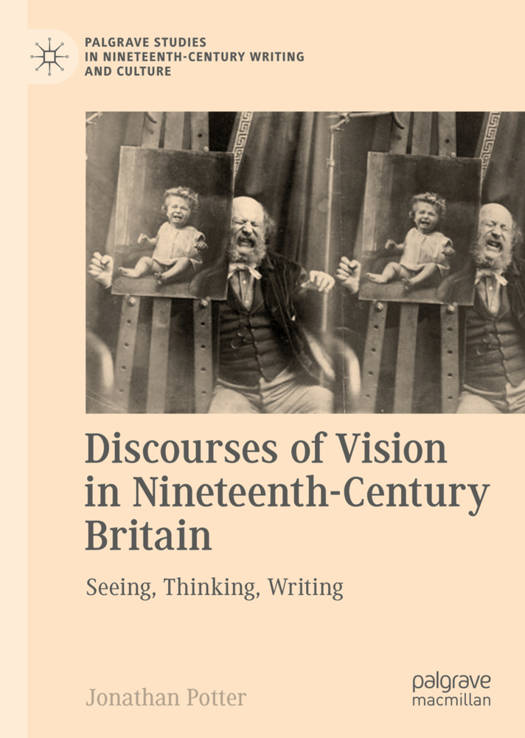
This book offers an innovative reassessment of the way Victorians thought and wrote about visual experience. It argues that new visual technologies gave expression to new ways of seeing, using these to uncover the visual discourses that facilitated, informed and shaped the way people conceptualised and articulated visual experience. In doing so, the book reconsiders literary and non-fiction works by well-known authors including George Eliot, Charles Dickens, G.H. Lewes, Max Nordau, Herbert Spencer, and Joseph Conrad, as well as shedding light on less-known works drawn from the periodical press. By revealing the discourses that formed around visual technologies, the book challenges and builds upon existing scholarship to provide a powerful new model by which to understand how the Victorians experienced, conceptualised, and wrote about vision.