


- Afhalen na 1 uur in een winkel met voorraad
- Gratis thuislevering in België vanaf € 30
- Ruim aanbod met 7 miljoen producten
- Afhalen na 1 uur in een winkel met voorraad
- Gratis thuislevering in België vanaf € 30
- Ruim aanbod met 7 miljoen producten





€ 213,95
+ 427 punten
Uitvoering
Omschrijving
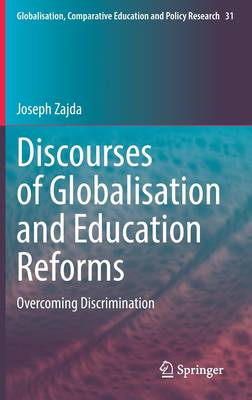
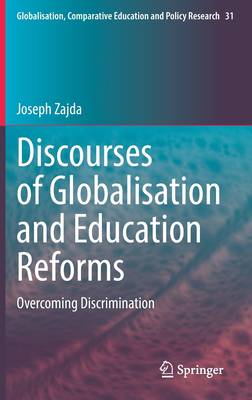
This book focuses on discourses of effective learning environments globally for reducing discrimination in schools. It offers innovative ideas concerning the future directions that education and policy reforms could take, in order to promote equality, social justice, and access to quality of education for all.
The chapters offer a timely analysis of current issues affecting schooling and strategies for creating effective learning environments globally for overcoming discriminations in schools. It is argued that that one of the most significant variables in creating effective learning environments for reducing classroom discrimination is the student's cultural identity, the self-concept and self-esteem. The next variables influencing students' learning environment are motivational strategies, self-regulated learning, and students' active engagement in constructivist learning.
This book contributes in a very scholarly way, to a more holistic understanding of the nexus between globalisation, comparative education research and education reforms for reducing discrimination. It will be beneficial for a broad spectrum of users, including policy-makers, academics, graduate students, education policy researchers, administrators, and practitioners.
The chapters offer a timely analysis of current issues affecting schooling and strategies for creating effective learning environments globally for overcoming discriminations in schools. It is argued that that one of the most significant variables in creating effective learning environments for reducing classroom discrimination is the student's cultural identity, the self-concept and self-esteem. The next variables influencing students' learning environment are motivational strategies, self-regulated learning, and students' active engagement in constructivist learning.
This book contributes in a very scholarly way, to a more holistic understanding of the nexus between globalisation, comparative education research and education reforms for reducing discrimination. It will be beneficial for a broad spectrum of users, including policy-makers, academics, graduate students, education policy researchers, administrators, and practitioners.
Specificaties
Betrokkenen
- Auteur(s):
- Uitgeverij:
Inhoud
- Aantal bladzijden:
- 160
- Taal:
- Engels
- Reeks:
- Reeksnummer:
- nr. 31
Eigenschappen
- Productcode (EAN):
- 9783030960742
- Verschijningsdatum:
- 18/05/2022
- Uitvoering:
- Hardcover
- Formaat:
- Genaaid
- Afmetingen:
- 156 mm x 234 mm
- Gewicht:
- 430 g


Alleen bij Standaard Boekhandel
+ 427 punten op je klantenkaart van Standaard Boekhandel

Beoordelingen
We publiceren alleen reviews die voldoen aan de voorwaarden voor reviews. Bekijk onze voorwaarden voor reviews.