


- Afhalen na 1 uur in een winkel met voorraad
- Gratis thuislevering in België vanaf € 30
- Ruim aanbod met 7 miljoen producten
- Afhalen na 1 uur in een winkel met voorraad
- Gratis thuislevering in België vanaf € 30
- Ruim aanbod met 7 miljoen producten





€ 30,95
+ 61 punten
Omschrijving
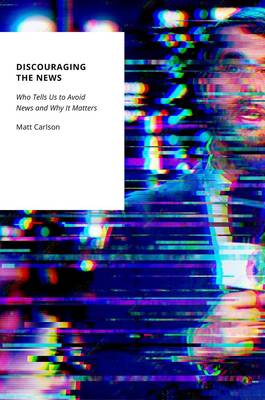
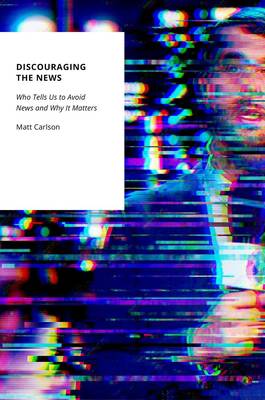
News is generally considered to be a good thing, and staying informed an essential expectation for participating in public life. Yet, we are also surrounded by a variety of voices telling us not to use news. We are told to steer clear of news for many reasons, including that it is full of bias and fakery, its negativity impairs our well-being and mental health, it promotes harmful stereotypes of marginalized communities, and it is uninteresting and unimportant. Discouraging the News focuses on who creates boundaries around what's good or bad, useful or useless, indispensable or tainted, and why they do it. This book draws on a global array of contemporary examples, ranging from physical violence against journalists to the perceived threat of artificial intelligence, to demonstrate how common news discouragement has become. We should not ignore these efforts to keep us from news but instead ask how they collectively shape what we think and what we do. Delving into the discourses and practices of news discouragement strengthens our understanding of key debates involving what legitimate ways of knowing should look like, whether cultural and political pluralism is possible, what our individual responsibility to the collective should be, and ultimately who has the authority to tell us about the world we share.
Specificaties
Betrokkenen
- Auteur(s):
- Uitgeverij:
Inhoud
- Aantal bladzijden:
- 176
- Taal:
- Engels
- Reeks:
Eigenschappen
- Productcode (EAN):
- 9780197811559
- Verschijningsdatum:
- 11/09/2026
- Uitvoering:
- Paperback
- Formaat:
- Trade paperback (VS)
- Afmetingen:
- 156 mm x 235 mm


Alleen bij Standaard Boekhandel
+ 61 punten op je klantenkaart van Standaard Boekhandel
Cadeau

AANGERADEN


Beoordelingen
We publiceren alleen reviews die voldoen aan de voorwaarden voor reviews. Bekijk onze voorwaarden voor reviews.