


- Afhalen na 1 uur in een winkel met voorraad
- Gratis thuislevering in België vanaf € 30
- Ruim aanbod met 7 miljoen producten
- Afhalen na 1 uur in een winkel met voorraad
- Gratis thuislevering in België vanaf € 30
- Ruim aanbod met 7 miljoen producten





€ 8,45
+ 16 punten
Eenvoudig bestellen
Veilig betalen


Gratis thuislevering vanaf € 30 (via bpost)
Gratis levering in je Standaard Boekhandel
Omschrijving
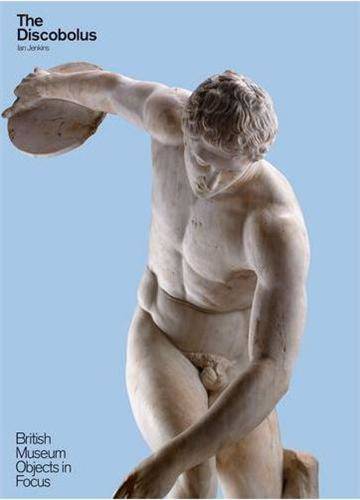
A concise and beautifully illustrated book that explores the history and meaning of Myron's Discobolus; one of the most famous illustrations of the ancient world and a masterpiece of Greek art.
The Discobolus or discus-thrower is a marvellous classical piece of sculpture that over time has come to mean different things to different people. Originally cast in bronze by the fifth-century BC sculptor Myron; the composition portraying an athlete preparing to throw his discus captures a moment of action perfectly: the tensed body looks as if it is merely pausing and about to burst into life at any moment. An enduring pattern of energy; Myron's statue of harmonious proportions is a fantastic representation of the athletic ideal and an embodiment of the male Greek body beautiful. Sadly; the original statue has long been lost; however; it was so admired by the Romans that numerous marble copies were made.
This book tells the story of Myron's Discobolus both as an archaeological artefact and bearer of meaning. Focusing on the Townley Discobolus; the Roman marble copy excavated from Hadrian's Villa in Lazio; Italy; this illustrated introduction explores the history and significance of the statue - in both classical and modern times - in light of ancient discus throwing; Myron's other works; and the artistic; intellectual and philosophical context of the Greek world.
The Discobolus or discus-thrower is a marvellous classical piece of sculpture that over time has come to mean different things to different people. Originally cast in bronze by the fifth-century BC sculptor Myron; the composition portraying an athlete preparing to throw his discus captures a moment of action perfectly: the tensed body looks as if it is merely pausing and about to burst into life at any moment. An enduring pattern of energy; Myron's statue of harmonious proportions is a fantastic representation of the athletic ideal and an embodiment of the male Greek body beautiful. Sadly; the original statue has long been lost; however; it was so admired by the Romans that numerous marble copies were made.
This book tells the story of Myron's Discobolus both as an archaeological artefact and bearer of meaning. Focusing on the Townley Discobolus; the Roman marble copy excavated from Hadrian's Villa in Lazio; Italy; this illustrated introduction explores the history and significance of the statue - in both classical and modern times - in light of ancient discus throwing; Myron's other works; and the artistic; intellectual and philosophical context of the Greek world.
Specificaties
Betrokkenen
- Auteur(s):
- Uitgeverij:
Inhoud
- Aantal bladzijden:
- 64
- Taal:
- Engels
- Reeks:
Eigenschappen
- Productcode (EAN):
- 9780714122717
- Verschijningsdatum:
- 12/03/2012
- Uitvoering:
- Paperback
- Formaat:
- Trade paperback (VS)
- Afmetingen:
- 151 mm x 210 mm
- Gewicht:
- 172 g


Alleen bij Standaard Boekhandel
+ 16 punten op je klantenkaart van Standaard Boekhandel
CADEAU

AANGERADEN


Beoordelingen
We publiceren alleen reviews die voldoen aan de voorwaarden voor reviews. Bekijk onze voorwaarden voor reviews.