



- Afhalen na 1 uur in een winkel met voorraad
- In januari gratis thuislevering in België
- Ruim aanbod met 7 miljoen producten
- Afhalen na 1 uur in een winkel met voorraad
- In januari gratis thuislevering in België
- Ruim aanbod met 7 miljoen producten





€ 29,56
+ 29 punten
Omschrijving
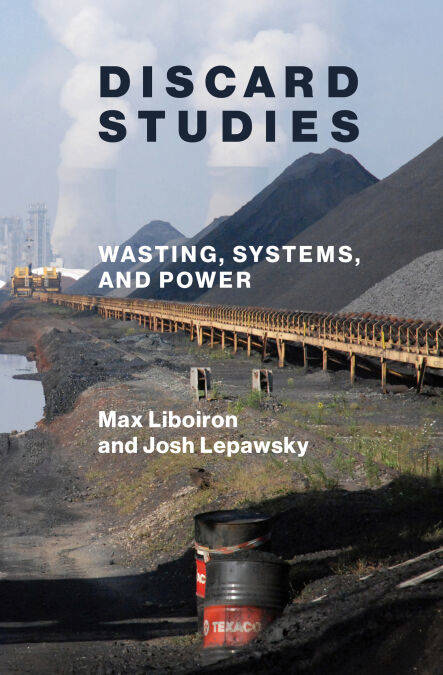
An argument that social, political, and economic systems maintain power by discarding certain people, places, and things.
Discard studies is an emerging field that looks at waste and wasting broadly construed. Rather than focusing on waste and trash as the primary objects of study, discard studies looks at wider systems of waste and wasting to explore how some materials, practices, regions, and people are valued or devalued, becoming dominant or disposable. In this book, Max Liboiron and Josh Lepawsky argue that social, political, and economic systems maintain power by discarding certain people, places, and things. They show how the theories and methods of discard studies can be applied in a variety of cases, many of which do not involve waste, trash, or pollution.
Liboiron and Lepawsky consider the partiality of knowledge and offer a theory of scale, exploring the myth that most waste is municipal solid waste produced by consumers; discuss peripheries, centers, and power, using content moderation as an example of how dominant systems find ways to discard; and use theories of difference to show that universalism, stereotypes, and inclusion all have politics of discard and even purification—as exemplified in “inclusive” efforts to broaden the Black Lives Matter movement. Finally, they develop a theory of change by considering “wasting well,” outlining techniques, methods, and propositions for a justice-oriented discard studies that keeps power in view.
Discard studies is an emerging field that looks at waste and wasting broadly construed. Rather than focusing on waste and trash as the primary objects of study, discard studies looks at wider systems of waste and wasting to explore how some materials, practices, regions, and people are valued or devalued, becoming dominant or disposable. In this book, Max Liboiron and Josh Lepawsky argue that social, political, and economic systems maintain power by discarding certain people, places, and things. They show how the theories and methods of discard studies can be applied in a variety of cases, many of which do not involve waste, trash, or pollution.
Liboiron and Lepawsky consider the partiality of knowledge and offer a theory of scale, exploring the myth that most waste is municipal solid waste produced by consumers; discuss peripheries, centers, and power, using content moderation as an example of how dominant systems find ways to discard; and use theories of difference to show that universalism, stereotypes, and inclusion all have politics of discard and even purification—as exemplified in “inclusive” efforts to broaden the Black Lives Matter movement. Finally, they develop a theory of change by considering “wasting well,” outlining techniques, methods, and propositions for a justice-oriented discard studies that keeps power in view.
Specificaties
Betrokkenen
- Auteur(s):
- Uitgeverij:
Inhoud
- Aantal bladzijden:
- 224
- Taal:
- Engels
Eigenschappen
- Productcode (EAN):
- 9780262369510
- Verschijningsdatum:
- 23/05/2022
- Uitvoering:
- E-book
- Beveiligd met:
- Adobe DRM
- Formaat:
- ePub


Alleen bij Standaard Boekhandel
+ 29 punten op je klantenkaart van Standaard Boekhandel
Cadeau

AANGERADEN


Beoordelingen
We publiceren alleen reviews die voldoen aan de voorwaarden voor reviews. Bekijk onze voorwaarden voor reviews.