


- Afhalen na 1 uur in een winkel met voorraad
- Gratis thuislevering in België vanaf € 30
- Ruim aanbod met 7 miljoen producten
- Afhalen na 1 uur in een winkel met voorraad
- Gratis thuislevering in België vanaf € 30
- Ruim aanbod met 7 miljoen producten





€ 186,95
+ 373 punten
Uitvoering
Omschrijving
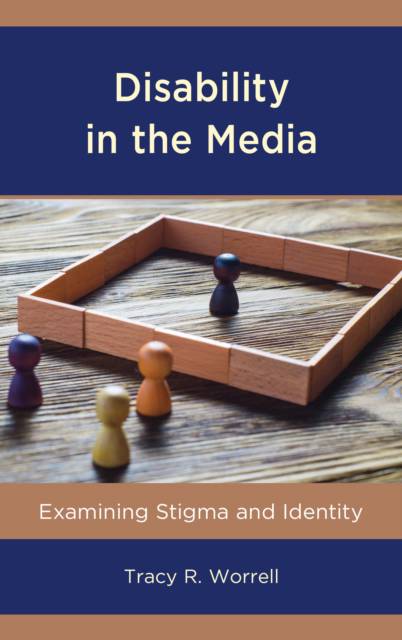
Disability in the Media: Examining Stigma and Identity looks at how disabilities are portrayed within the media and how individuals with disabilities are affected by their representation. The effects of media representation can be seen both at the level of the individual, with effects on self-identity for those with a disability, and at the level of society as a whole, with these portrayals playing a role in the social construction of disability, often further stigmatizing individuals with disabilities. On all levels, research has ended with a call to media producers, asking those in the entertainment industry to think about how they are portraying disability, to hire actors with disabilities, and to realize that the "supercrip" may not always be the most positive portrayal of disability. This book looks at the current status of disability representation in television and the popular press, offering case studies that examine their effect on individuals with disabilities and making suggestions for improving media representation and battling the perpetuation of social stigmas.
Specificaties
Betrokkenen
- Auteur(s):
- Uitgeverij:
Inhoud
- Aantal bladzijden:
- 142
- Taal:
- Engels
- Reeks:
- Reeksnummer:
- nr. 6
Eigenschappen
- Productcode (EAN):
- 9781498561549
- Verschijningsdatum:
- 30/03/2018
- Uitvoering:
- Hardcover
- Formaat:
- Genaaid
- Afmetingen:
- 157 mm x 231 mm
- Gewicht:
- 340 g


Alleen bij Standaard Boekhandel
+ 373 punten op je klantenkaart van Standaard Boekhandel
Cadeau

AANGERADEN


Beoordelingen
We publiceren alleen reviews die voldoen aan de voorwaarden voor reviews. Bekijk onze voorwaarden voor reviews.