


- Afhalen na 1 uur in een winkel met voorraad
- Gratis thuislevering in België vanaf € 30
- Ruim aanbod met 7 miljoen producten
- Afhalen na 1 uur in een winkel met voorraad
- Gratis thuislevering in België vanaf € 30
- Ruim aanbod met 7 miljoen producten





€ 195,45
+ 390 punten
Omschrijving
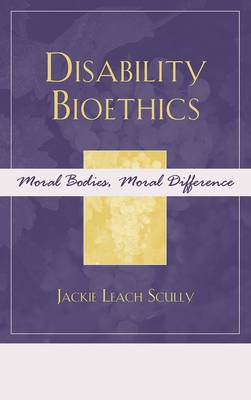
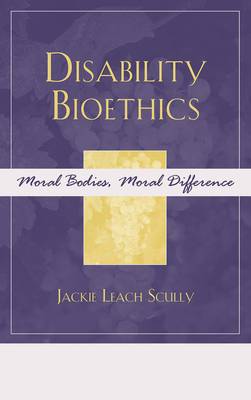
Jackie Leach Scully argues that bioethics cannot avoid the task of considering the moral meaning of disability in humans - beyond simply regulating reproductive choices or new areas of biomedical research. By focusing on the experiential and empirical reality of impairment, and drawing on recent work in disability studies, Scully brings new attention to complex ethical questions surrounding disability. Impairment is variously considered as a set of social relations and practices, as experienced embodiment, and as an emancipatory movement, as well as a biomedical phenomenon. In this way, disability is joined to the general late-twentieth century trend of attending to difference as a significant and central axis of subjectivity and social life.
Specificaties
Betrokkenen
- Auteur(s):
- Uitgeverij:
Inhoud
- Aantal bladzijden:
- 212
- Taal:
- Engels
- Reeks:
Eigenschappen
- Productcode (EAN):
- 9780742551220
- Verschijningsdatum:
- 15/08/2008
- Uitvoering:
- Hardcover
- Formaat:
- Genaaid
- Afmetingen:
- 154 mm x 237 mm
- Gewicht:
- 444 g


Alleen bij Standaard Boekhandel
+ 390 punten op je klantenkaart van Standaard Boekhandel
Cadeau

AANGERADEN


Beoordelingen
We publiceren alleen reviews die voldoen aan de voorwaarden voor reviews. Bekijk onze voorwaarden voor reviews.