


- Afhalen na 1 uur in een winkel met voorraad
- Gratis thuislevering in België vanaf € 30
- Ruim aanbod met 7 miljoen producten
- Afhalen na 1 uur in een winkel met voorraad
- Gratis thuislevering in België vanaf € 30
- Ruim aanbod met 7 miljoen producten





Omschrijving
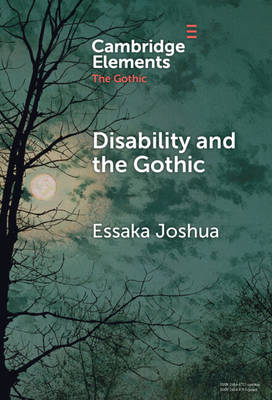
Disability is central to the Gothic imagination. This Element draws together disability and Gothic literature in ways that show the interplay between them. The first chapter offers a brief history of Critical Disability Studies, and the manner in which Gothic has been integral to the evolution of disability theory. It shows the increasing centrality of the Gothic to the development of Critical Disability Studies, and describes the emergence of the subfield of Gothic Disability Studies. The second chapter and third chapters offer close readings of particular texts, showing how Gothic bodies and minds articulate and shift their relationship to the aesthetic and affective frameworks of the nineteenth century. While disability sometimes represents the 'other' in Gothic literature, this positioning far from exhausts the ways in which disability is presented in this genre.
Specificaties
Betrokkenen
- Auteur(s):
- Uitgeverij:
Inhoud
- Aantal bladzijden:
- 82
- Taal:
- Engels
- Reeks:
Eigenschappen
- Productcode (EAN):
- 9781009669542
- Verschijningsdatum:
- 12/03/2026
- Uitvoering:
- Hardcover
- Formaat:
- Genaaid
- Afmetingen:
- 152 mm x 229 mm
- Gewicht:
- 281 g


Alleen bij Standaard Boekhandel
+ 225 punten op je klantenkaart van Standaard Boekhandel
Cadeau

AANGERADEN


Beoordelingen
We publiceren alleen reviews die voldoen aan de voorwaarden voor reviews. Bekijk onze voorwaarden voor reviews.