


- Afhalen na 1 uur in een winkel met voorraad
- Gratis thuislevering in België vanaf € 30
- Ruim aanbod met 7 miljoen producten
- Afhalen na 1 uur in een winkel met voorraad
- Gratis thuislevering in België vanaf € 30
- Ruim aanbod met 7 miljoen producten





€ 128,45
+ 256 punten
Uitvoering
Omschrijving
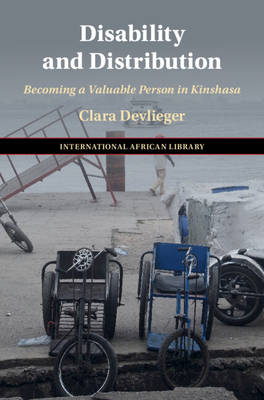
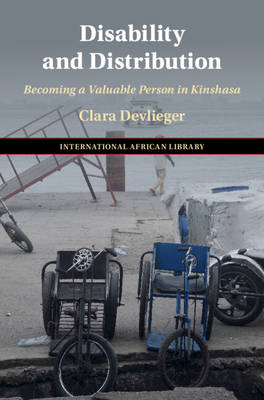
Set in the postcolonial city of Kinshasa (DR Congo), this ethnography explores how people with disabilities navigate debates about the just distribution of resources where there is little state organised welfare, and public perception of disability swings between the 'deserving' and 'undeserving'. Tracing a historic increase of disability due to polio and its long-term effects, this book examines two controversial livelihood activities that serve as informal alternatives to state support: a specialized form of international border brokerage across the Congo River, and a unique practice of bureaucratized begging that imitates state tax collection and humanitarian fundraising. Clara Devlieger examines how such activities shape ways that disabled people conceive the idea of becoming 'valuable people' in local terms: by supporting loved ones, many achieve high esteem against expectations, while adapting exclusionary models of urban personhood to include disability. Devlieger offers a new understanding of the complex dynamic between the imagined role of the state, international discourses of rights, and local experiences of disability.
Specificaties
Betrokkenen
- Auteur(s):
- Uitgeverij:
Inhoud
- Aantal bladzijden:
- 272
- Taal:
- Engels
- Reeks:
- Reeksnummer:
- nr. 78
Eigenschappen
- Productcode (EAN):
- 9781009618489
- Verschijningsdatum:
- 4/06/2026
- Uitvoering:
- Hardcover
- Formaat:
- Genaaid


Alleen bij Standaard Boekhandel
+ 256 punten op je klantenkaart van Standaard Boekhandel
Cadeau

AANGERADEN


Beoordelingen
We publiceren alleen reviews die voldoen aan de voorwaarden voor reviews. Bekijk onze voorwaarden voor reviews.