


- Afhalen na 1 uur in een winkel met voorraad
- Gratis thuislevering in België vanaf € 30
- Ruim aanbod met 7 miljoen producten
- Afhalen na 1 uur in een winkel met voorraad
- Gratis thuislevering in België vanaf € 30
- Ruim aanbod met 7 miljoen producten





€ 15,45
+ 30 punten
Omschrijving
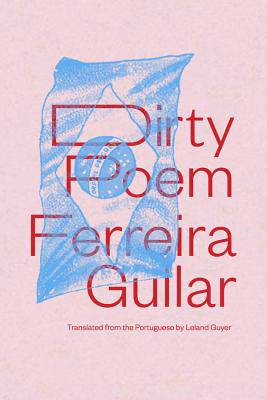
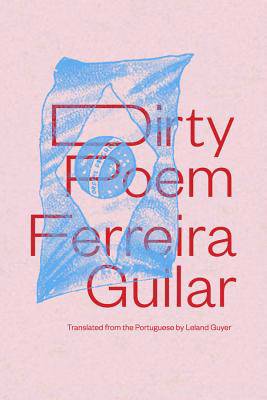
Written in 1975 in Buenos Aires when Ferreira Gullar was in political exile from the Brazilian dictatorship, Dirty Poem is an epic poem that amid life events traces the author's political and artistic evolution and is by most accounts the most important long poem of contemporary Brazilian literature. Scholar and critic Otto Maria Carpeaux wrote: "Dirty Poem deserves to be called 'National Poem' because it embodies all of the experiences, victories, defeats, and hopes in the life of the Brazilian citizen." It is a hypnotic work that draws on the poet's memory of adolescence in the seaside city of Sao Luís do Maranhao during World War II and deals openly with the "dirty" shamefulness of a socio-economic system that abuses its citizens with poverty, sexism, greed, and fear.
Specificaties
Betrokkenen
- Auteur(s):
- Vertaler(s):
- Uitgeverij:
Inhoud
- Aantal bladzijden:
- 64
- Taal:
- Engels
- Reeks:
Eigenschappen
- Productcode (EAN):
- 9780811223959
- Verschijningsdatum:
- 7/04/2015
- Uitvoering:
- Paperback
- Formaat:
- Trade paperback (VS)
- Afmetingen:
- 147 mm x 224 mm
- Gewicht:
- 117 g


Alleen bij Standaard Boekhandel
+ 30 punten op je klantenkaart van Standaard Boekhandel
Cadeau

AANGERADEN


Beoordelingen
We publiceren alleen reviews die voldoen aan de voorwaarden voor reviews. Bekijk onze voorwaarden voor reviews.