


- Afhalen na 1 uur in een winkel met voorraad
- Gratis thuislevering in België vanaf € 30
- Ruim aanbod met 7 miljoen producten
- Afhalen na 1 uur in een winkel met voorraad
- Gratis thuislevering in België vanaf € 30
- Ruim aanbod met 7 miljoen producten





Omschrijving
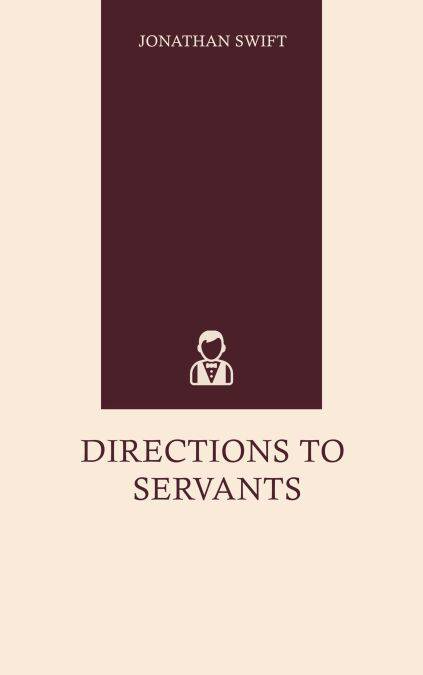
Directions to Servants by Jonathan Swift is a brilliantly humorous and unconventional satire that turns everyday household instruction into a sharp commentary on human behavior and social hierarchy. Written in the early eighteenth century and published after Swift's death, this witty work presents a series of mock instructions supposedly intended to guide servants in their duties.
At first glance, the book appears to be a practical manual offering advice on how servants should perform their tasks. Yet Swift cleverly reverses expectations by presenting guidance that encourages laziness, carelessness, and cunning tricks designed to avoid work while maintaining the appearance of obedience. Through exaggerated examples and absurd instructions, the book humorously exposes the misunderstandings, frustrations, and small battles that often existed between masters and their household staff.
Swift's satire shines in the way he imitates the tone of instructional guides while subtly revealing the flaws of both servants and their employers. The supposed "advice" includes humorous strategies for delaying tasks, misplacing items, misinterpreting orders, and shifting blame—transforming ordinary domestic situations into scenes of comic absurdity.
Beyond its humor, Directions to Servants offers readers a fascinating glimpse into domestic life in eighteenth-century households. The work reflects the routines, expectations, and social relationships that shaped daily life during the period, while also highlighting the universal human tendencies toward laziness, mischief, and clever self-preservation.
Swift's playful style and sharp observational wit make this book both entertaining and insightful. By focusing on the ordinary world of household service rather than grand political or philosophical debates, he demonstrates that satire can flourish even in the smallest details of daily life.
Lighthearted yet perceptive, Directions to Servants stands as a delightful example of Jonathan Swift's comic genius—transforming a simple instruction manual into a lively and enduring piece of social satire.
At first glance, the book appears to be a practical manual offering advice on how servants should perform their tasks. Yet Swift cleverly reverses expectations by presenting guidance that encourages laziness, carelessness, and cunning tricks designed to avoid work while maintaining the appearance of obedience. Through exaggerated examples and absurd instructions, the book humorously exposes the misunderstandings, frustrations, and small battles that often existed between masters and their household staff.
Swift's satire shines in the way he imitates the tone of instructional guides while subtly revealing the flaws of both servants and their employers. The supposed "advice" includes humorous strategies for delaying tasks, misplacing items, misinterpreting orders, and shifting blame—transforming ordinary domestic situations into scenes of comic absurdity.
Beyond its humor, Directions to Servants offers readers a fascinating glimpse into domestic life in eighteenth-century households. The work reflects the routines, expectations, and social relationships that shaped daily life during the period, while also highlighting the universal human tendencies toward laziness, mischief, and clever self-preservation.
Swift's playful style and sharp observational wit make this book both entertaining and insightful. By focusing on the ordinary world of household service rather than grand political or philosophical debates, he demonstrates that satire can flourish even in the smallest details of daily life.
Lighthearted yet perceptive, Directions to Servants stands as a delightful example of Jonathan Swift's comic genius—transforming a simple instruction manual into a lively and enduring piece of social satire.
Specificaties
Betrokkenen
- Auteur(s):
- Uitgeverij:
Inhoud
- Aantal bladzijden:
- 71
- Taal:
- Engels
Eigenschappen
- Productcode (EAN):
- 9783406166242
- Verschijningsdatum:
- 10/03/2026
- Uitvoering:
- E-book
- Beveiligd met:
- Digital watermarking
- Formaat:
- ePub


Alleen bij Standaard Boekhandel
Cadeau

AANGERADEN


Beoordelingen
We publiceren alleen reviews die voldoen aan de voorwaarden voor reviews. Bekijk onze voorwaarden voor reviews.