


- Afhalen na 1 uur in een winkel met voorraad
- Gratis thuislevering in België vanaf € 30
- Ruim aanbod met 7 miljoen producten
- Afhalen na 1 uur in een winkel met voorraad
- Gratis thuislevering in België vanaf € 30
- Ruim aanbod met 7 miljoen producten





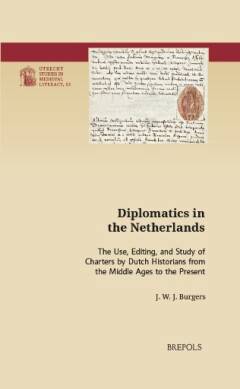
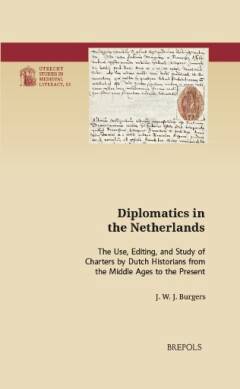
Diplomatics in the Netherlands
The Use, Editing, and Study of Charters by Dutch Historians from the Middle Ages to the Present
Jwj Burgers
€ 169,60
+ 339 punten
Omschrijving
Charters and other administrative texts have long had the full attention of medievalists as primary sources in their historiographical work. This also applies to scholars from the Netherlands. Ever since the late Middle Ages, they recognised the value of these sources, included them as testimony in their historiography and gradually began to realise that charters and other documents required a specific form of textual criticism and a special way of editing. In this, Dutch historians usually followed developments abroad. Sometimes, as in the early seventeenth century, they were ahead methodologically, but for long periods they depended for new insights on developments elsewhere. This was especially true in the nineteenth century, when scientific diplomatic methods and editing techniques emerged which would only be introduced and applied in the Netherlands in the next century. In the twenty-first century, Dutch scholars are fully participating in the 'digital turn' that is creating new research tools in diplomatics. Ultimately, the history of diplomatics in the Netherlands is part of the broad development of historiography in the country, and therefore a valuable aspect of the history of scholarship in general.
Specificaties
Betrokkenen
- Auteur(s):
- Uitgeverij:
Inhoud
- Aantal bladzijden:
- 737
- Taal:
- Engels
- Reeks:
- Reeksnummer:
- nr. 63
Eigenschappen
- Productcode (EAN):
- 9782503617534
- Verschijningsdatum:
- 8/05/2025
- Uitvoering:
- Hardcover
- Formaat:
- Genaaid
- Gewicht:
- 1387 g


Alleen bij Standaard Boekhandel
+ 339 punten op je klantenkaart van Standaard Boekhandel
Cadeau

AANGERADEN


Beoordelingen
We publiceren alleen reviews die voldoen aan de voorwaarden voor reviews. Bekijk onze voorwaarden voor reviews.