


- Afhalen na 1 uur in een winkel met voorraad
- Gratis thuislevering in België vanaf € 30
- Ruim aanbod met 7 miljoen producten
- Afhalen na 1 uur in een winkel met voorraad
- Gratis thuislevering in België vanaf € 30
- Ruim aanbod met 7 miljoen producten





€ 9,23
+ 9 punten
Uitvoering
Omschrijving
NATIONAL BESTSELLER
"A profound book.... It will break your heart but also leave you with hope." —J.D. Vance, author of Hillbilly Elegy
"[A] deeply empathetic book." —The Economist
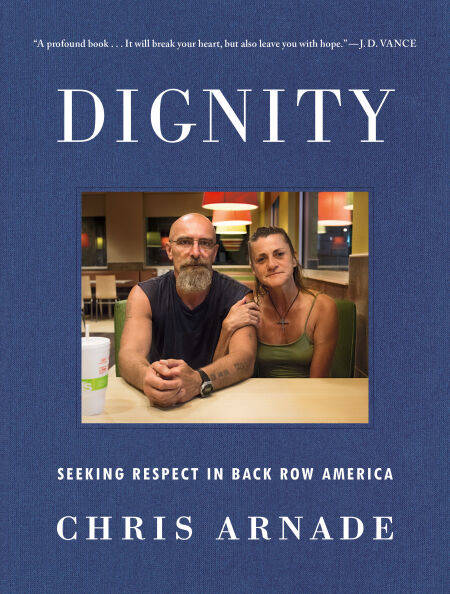
With stark photo essays and unforgettable true stories, Chris Arnade cuts through "expert" pontification on inequality, addiction, and poverty to allow those who have been left behind to define themselves on their own terms.
After abandoning his Wall Street career, Chris Arnade decided to document poverty and addiction in the Bronx. He began interviewing, photographing, and becoming close friends with homeless addicts, and spent hours in drug dens and McDonald's. Then he started driving across America to see how the rest of the country compared. He found the same types of stories everywhere, across lines of race, ethnicity, religion, and geography.
The people he got to know, from Alabama and California to Maine and Nevada, gave Arnade a new respect for the dignity and resilience of what he calls America's Back Row--those who lack the credentials and advantages of the so-called meritocratic upper class. The strivers in the Front Row, with their advanced degrees and upward mobility, see the Back Row's values as worthless. They scorn anyone who stays in a dying town or city as foolish, and mock anyone who clings to religion or tradition as naïve.
As Takeesha, a woman in the Bronx, told Arnade, she wants to be seen she sees herself: "a prostitute, a mother of six, and a child of God." This book is his attempt to help the rest of us truly see, hear, and respect millions of people who've been left behind.
"A profound book.... It will break your heart but also leave you with hope." —J.D. Vance, author of Hillbilly Elegy
"[A] deeply empathetic book." —The Economist
With stark photo essays and unforgettable true stories, Chris Arnade cuts through "expert" pontification on inequality, addiction, and poverty to allow those who have been left behind to define themselves on their own terms.
After abandoning his Wall Street career, Chris Arnade decided to document poverty and addiction in the Bronx. He began interviewing, photographing, and becoming close friends with homeless addicts, and spent hours in drug dens and McDonald's. Then he started driving across America to see how the rest of the country compared. He found the same types of stories everywhere, across lines of race, ethnicity, religion, and geography.
The people he got to know, from Alabama and California to Maine and Nevada, gave Arnade a new respect for the dignity and resilience of what he calls America's Back Row--those who lack the credentials and advantages of the so-called meritocratic upper class. The strivers in the Front Row, with their advanced degrees and upward mobility, see the Back Row's values as worthless. They scorn anyone who stays in a dying town or city as foolish, and mock anyone who clings to religion or tradition as naïve.
As Takeesha, a woman in the Bronx, told Arnade, she wants to be seen she sees herself: "a prostitute, a mother of six, and a child of God." This book is his attempt to help the rest of us truly see, hear, and respect millions of people who've been left behind.
Specificaties
Betrokkenen
- Auteur(s):
- Uitgeverij:
Inhoud
- Aantal bladzijden:
- 304
- Taal:
- Engels
Eigenschappen
- Productcode (EAN):
- 9780525534747
- Verschijningsdatum:
- 3/06/2019
- Uitvoering:
- E-book
- Beveiligd met:
- Adobe DRM
- Formaat:
- ePub


Alleen bij Standaard Boekhandel
+ 9 punten op je klantenkaart van Standaard Boekhandel
Cadeau

AANGERADEN


Beoordelingen
We publiceren alleen reviews die voldoen aan de voorwaarden voor reviews. Bekijk onze voorwaarden voor reviews.