


- Afhalen na 1 uur in een winkel met voorraad
- Gratis thuislevering in België vanaf € 30
- Ruim aanbod met 7 miljoen producten
- Afhalen na 1 uur in een winkel met voorraad
- Gratis thuislevering in België vanaf € 30
- Ruim aanbod met 7 miljoen producten





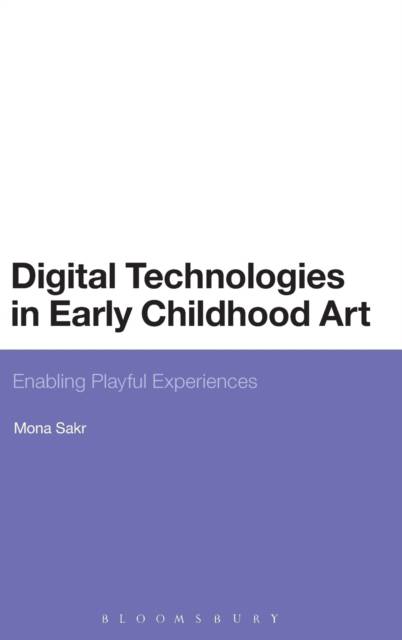
Digital Technologies in Early Childhood Art
Enabling Playful Experiences
Mona Sakr
Hardcover | Engels
€ 322,45
+ 644 punten
Uitvoering
Omschrijving
Through art children make sense of their experiences and the world around them. Drawing, painting, collage and modelling are open-ended and playful processes through which children engage in physical exploration, aesthetic decision-making, identity construction and social understanding. As digital technologies become increasingly prevalent in the lives of young children, there is a pressing need to understand how digital technologies shape important experiences in early childhood, including early childhood art.
Mona Sakr shows the need to consider how particular dimensions of the art-making process are changed by the use of digital technologies and what can be done by parents, practitioners and designers to enable children to adopt playful and creative practices in their interactions with digital technologies. Incorporating different theoretical perspectives, including social semiotics and posthumanism, and drawing on various research studies, this book highlights how children engage with different facets of art-making with digital technologies including: remix and mash-up; distributed ownership; imagined audiences and changed sensory and social interactions.Specificaties
Betrokkenen
- Auteur(s):
- Uitgeverij:
Inhoud
- Aantal bladzijden:
- 240
- Taal:
- Engels
Eigenschappen
- Productcode (EAN):
- 9781474271882
- Verschijningsdatum:
- 12/01/2017
- Uitvoering:
- Hardcover
- Formaat:
- Genaaid
- Afmetingen:
- 152 mm x 236 mm
- Gewicht:
- 458 g


Alleen bij Standaard Boekhandel
+ 644 punten op je klantenkaart van Standaard Boekhandel
CADEAU

AANGERADEN


Beoordelingen
We publiceren alleen reviews die voldoen aan de voorwaarden voor reviews. Bekijk onze voorwaarden voor reviews.