


- Afhalen na 1 uur in een winkel met voorraad
- Gratis thuislevering in België vanaf € 30
- Ruim aanbod met 7 miljoen producten
- Afhalen na 1 uur in een winkel met voorraad
- Gratis thuislevering in België vanaf € 30
- Ruim aanbod met 7 miljoen producten





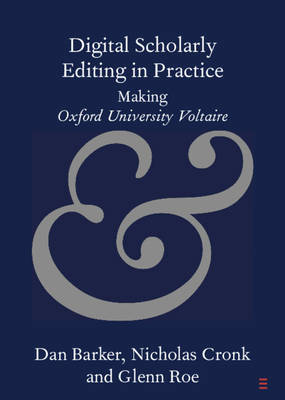
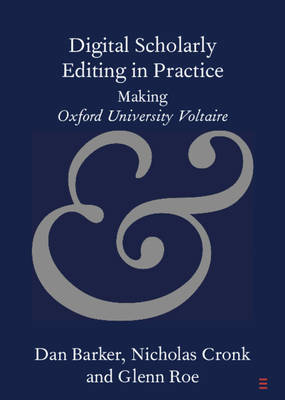
Digital Scholarly Editing in Practice
Making Oxford University Voltaire
Dan Barker, Nicholas Cronk, Glenn Roe
€ 18,95
+ 37 punten
Omschrijving
Scholarly editions in print have long been central to literary studies, produced according to well-established methodologies. In recent decades, digital scholarly editions have gained prominence, with some publishers digitising existing print editions and others creating born-digital resources. The shift from print to digital demands not only new editorial approaches but also sustained attention to issues of technical and financial sustainability - key concerns for resources of reference. The challenge is not merely to replicate print editions in digital form but to transcend their limitations and fully exploit the affordances of the digital medium. This essay examines these issues by focussing on one case-study: the creation of the digital Oxford University Voltaire, launched in 2026, which builds upon the Complete Works of Voltaire (205 vols, 1968-2022). By tracing the transition from print to digital, the authors aim to highlight both the opportunities and complexities inherent in scholarly editing today.
Specificaties
Betrokkenen
- Auteur(s):
- Uitgeverij:
Inhoud
- Aantal bladzijden:
- 114
- Taal:
- Engels
- Reeks:
Eigenschappen
- Productcode (EAN):
- 9781009364331
- Verschijningsdatum:
- 28/05/2026
- Uitvoering:
- Paperback
- Formaat:
- Trade paperback (VS)
- Afmetingen:
- 127 mm x 178 mm
- Gewicht:
- 104 g


Alleen bij Standaard Boekhandel
+ 37 punten op je klantenkaart van Standaard Boekhandel
CADEAU

AANGERADEN


Beoordelingen
We publiceren alleen reviews die voldoen aan de voorwaarden voor reviews. Bekijk onze voorwaarden voor reviews.